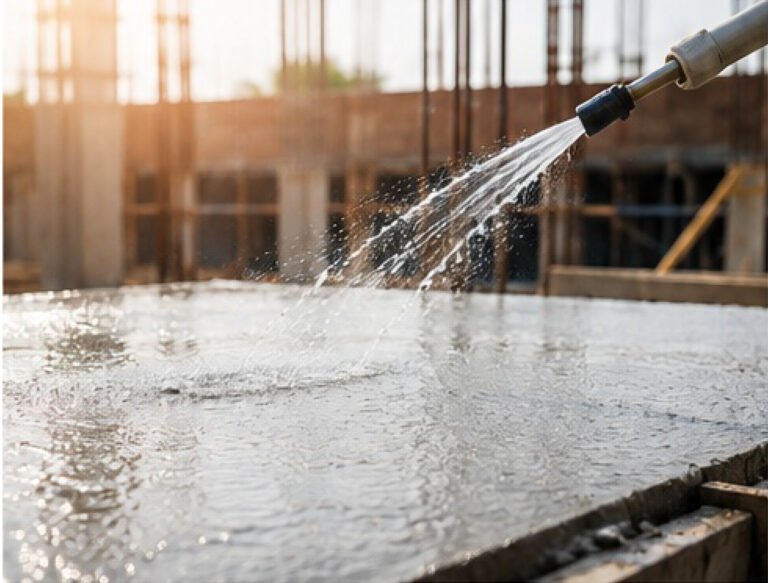



Choosing the right construction materials is one of the most important decisions in any building project. The materials selected for foundations, structural members, walls, roofs, floors and finishes directly influence the building’s strength, durability, appearance, maintenance requirements and overall cost.
A material that works well for one project may not be suitable for another. A coastal building, for example, may face very different environmental conditions from a building located in a dry inland region. Similarly, the requirements of a high-rise commercial building are different from those of a small residential house.
Good material selection therefore requires more than comparing prices. It requires understanding the building’s purpose, location, structural requirements, environmental exposure, expected service life and available construction methods.
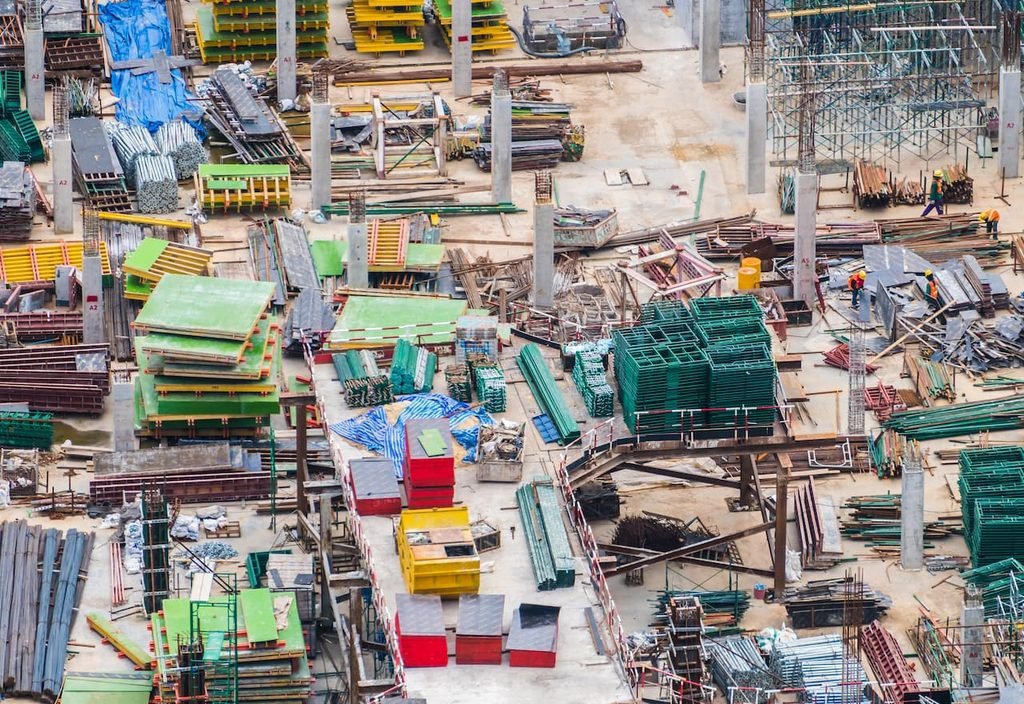
Understand the Purpose of the Building
The first step is to understand how the building will be used.
A residential house may prioritise comfort, durability and appearance, while an industrial facility may require materials that can withstand heavy loads, vibration, chemicals or high temperatures.
Hospitals, schools, offices, warehouses and commercial buildings each have different requirements.
Material selection should therefore begin with the question:
What must this building be able to withstand and provide throughout its intended service life?
Consider the Location
The location of a building has a major influence on material selection.
Important factors include:
- Climate
- Rainfall
- Temperature
- Humidity
- Soil conditions
- Flood risk
- Coastal exposure
- Wind
- Seismic conditions
- Availability of local materials
Materials suitable for a dry climate may require different protection when used in areas exposed to high humidity or salt-laden air.
Evaluate Structural Requirements
Structural materials must be selected according to engineering requirements.
Foundations, columns, beams, slabs and load-bearing walls must be designed to safely carry the expected loads.
Materials may need to satisfy requirements for:
- Compressive strength
- Tensile strength
- Flexural strength
- Stiffness
- Density
- Durability
The structural engineer should determine the required material properties rather than selecting materials based only on appearance or market price.
Check Material Quality
Two products with the same general name can have very different quality.
For example, concrete blocks from two manufacturers may differ in strength, density and dimensional accuracy.
Before purchasing construction materials, check:
- Manufacturer information
- Product specifications
- Relevant test results
- Applicable standards
- Manufacturing quality
- Storage conditions
Reliable suppliers and documented quality control can reduce the risk of receiving unsuitable materials.
Consider Durability
A construction material should be able to perform for the expected service life of the building.
Durability can be affected by:
- Moisture
- Chemicals
- Temperature changes
- Ultraviolet exposure
- Corrosion
- Biological attack
- Abrasion
A material that has a low initial price but requires frequent replacement may become more expensive over the building’s life.
Think About the Local Climate
Climate-responsive material selection can improve building performance.
In hot climates, materials and assemblies should be selected with appropriate consideration of heat transfer, solar exposure and thermal comfort.
In wet climates, moisture resistance and drainage become especially important.
In cold climates, insulation and resistance to temperature-related deterioration may receive greater attention.
The building envelope should be designed as a complete system rather than selecting individual materials in isolation.
Compare Strength and Weight
The weight of construction materials affects the overall building.
Heavy materials can increase structural loads and influence foundation requirements.
Lightweight materials can reduce dead load and may improve construction handling.
However, lightweight does not automatically mean better. The material must still meet the required structural, fire, acoustic and durability requirements.
Consider Thermal Performance
Walls, roofs, windows and floors all influence indoor temperature.
Materials can have different thermal conductivity, heat capacity and insulation characteristics.
When selecting wall or roof materials, consider the complete assembly, including:
- Insulation
- Air spaces
- External finishes
- Internal finishes
- Windows
- Shading
Good thermal design can improve comfort and reduce energy demand.
Consider Sound Performance
Buildings such as apartments, hotels, hospitals and offices may require good acoustic separation.
Material selection should consider how effectively the complete wall or floor assembly controls sound transmission.
Important factors include:
- Density
- Thickness
- Layers
- Joints
- Openings
- Doors
- Windows
- Service penetrations
A material with good acoustic properties can still perform poorly if the surrounding construction is not properly detailed.
Consider Fire Performance
Fire safety is a fundamental part of material selection.
Materials and assemblies may need to satisfy requirements related to:
- Combustibility
- Fire resistance
- Flame spread
- Smoke production
- Fire separation
The applicable building and fire regulations should determine the required performance.
Where a fire-resistance rating is required, the complete tested or approved assembly should be considered rather than relying on the performance of one material alone.
Consider Water and Moisture
Water is one of the most common causes of building deterioration.
Materials should be selected with consideration for:
- Rain exposure
- Ground moisture
- Plumbing leaks
- Condensation
- Drainage
- Waterproofing
Good material selection should be supported by proper detailing.
Even a water-resistant material can fail if water is allowed to accumulate around joints, openings or poorly designed drainage systems.
Evaluate Environmental Impact
Construction materials have environmental impacts throughout their life cycle.
Consider:
- Raw-material extraction
- Manufacturing
- Transportation
- Installation
- Maintenance
- Service life
- Reuse
- Recycling
- Disposal
Locally available materials can sometimes reduce transportation requirements.
Durable materials can also reduce the need for frequent replacement.
Environmental performance should therefore be assessed across the material’s complete life cycle.
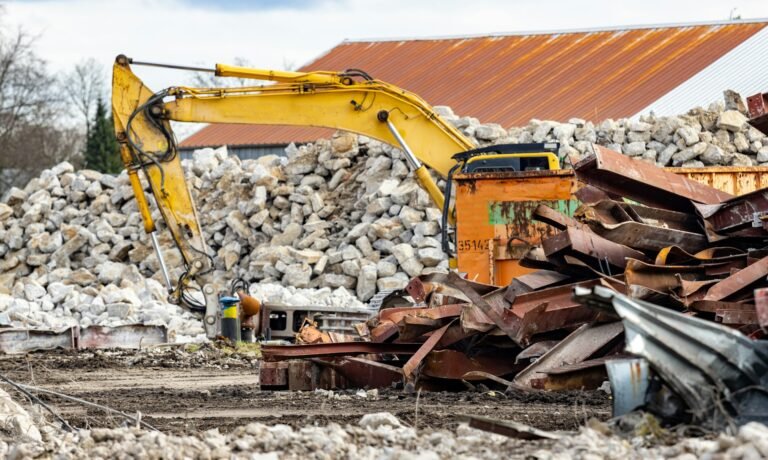
Consider Recycled and Reclaimed Materials
Recycled and reclaimed materials can be useful where their quality and technical suitability are established.
Examples may include:
- Recycled steel
- Reclaimed timber
- Recycled aggregates
- Reused bricks
- Recycled glass products
However, recycled content alone does not guarantee suitability.
The material must still meet the project’s required performance standards.
Compare the Total Cost
The cheapest material is not necessarily the most economical choice.
A proper cost comparison should include:
Purchase cost + transportation + installation + wastage + finishing + maintenance + replacement
For example, a slightly more expensive material that lasts considerably longer may provide better value than a cheaper material requiring frequent repair.
This is known as considering the life-cycle cost.
Consider Availability
Material availability can affect both cost and construction schedules.
Before specifying a material, determine whether it is readily available in the project region.
Long-distance transportation can increase:
- Cost
- Delivery time
- Handling requirements
- Environmental impact
Using reliable local suppliers can simplify procurement and reduce project delays.
Check Transportation and Storage Requirements
Some materials require special handling.
Materials can be damaged by:
- Rain
- Moisture
- Excessive sunlight
- Impact
- Improper stacking
- Contamination
The construction team should understand the manufacturer’s storage requirements.
A high-quality material can lose its performance if it is stored incorrectly.
Consider Installation Requirements
A material should be compatible with the skills and equipment available on the project.
Some modern materials require specialised installation techniques.
Before selecting them, consider:
- Availability of trained workers
- Required tools
- Installation time
- Safety requirements
- Manufacturer instructions
- Quality-control procedures
A technically excellent material may not be the best choice if it cannot be installed correctly.
Consider Maintenance
Maintenance should be considered before construction begins.
Ask:
- Does the material require regular painting?
- Is sealing required?
- Can damaged sections be easily repaired?
- Are replacement parts available?
- Does the material require specialised cleaning?
Materials that are easy to maintain can reduce long-term operating costs.
Consider Compatibility Between Materials
Construction materials do not work independently.
Concrete interacts with reinforcement.
Plaster interacts with masonry.
Waterproofing interacts with concrete and drainage.
Floor finishes interact with substrates.
Therefore, materials should be checked for compatibility.
Poor compatibility can lead to:
- Cracking
- Peeling
- Corrosion
- Moisture problems
- Adhesion failure
- Premature deterioration
Follow Applicable Standards
Construction materials should comply with the relevant standards and project specifications.
Depending on the material, standards may address:
- Dimensions
- Strength
- Composition
- Testing
- Durability
- Fire performance
- Installation
Using standard-compliant products helps improve quality and provides a basis for testing and acceptance.
Avoid Choosing Materials Only by Appearance
Appearance is important, particularly for architectural finishes, but it should not be the only selection criterion.
A beautiful material may have poor durability in a particular environment.
Likewise, a simple-looking material may provide excellent long-term performance.
The best selection balances:
Performance + Durability + Cost + Appearance + Sustainability
Use Samples and Mock-Ups
For important finishes and specialised construction systems, samples and mock-ups can help verify the expected result.
A mock-up can reveal:
- Colour differences
- Surface texture
- Joint appearance
- Installation problems
- Compatibility issues
- Finishing quality
Testing a small section before full-scale installation can reduce expensive mistakes.
Work With Qualified Professionals
Material selection should involve the appropriate professionals.
Architects can help with appearance and building-envelope requirements.
Structural engineers can specify structural material requirements.
Civil engineers can address site and infrastructure conditions.
Mechanical and electrical professionals can coordinate building services.
Contractors can provide practical information about installation and availability.
The best results usually come from coordinated decision-making rather than selecting materials in isolation.
Common Material Selection Mistakes
Several mistakes can create problems later in a project.
These include:
- Choosing only on initial price
- Ignoring local climate
- Ignoring durability
- Buying materials without testing
- Using unsuitable substitutes
- Ignoring manufacturer instructions
- Poor storage
- Failing to check compatibility
- Selecting unfamiliar materials without trained installers
- Changing specified materials without professional approval
Material changes during construction should be reviewed by the appropriate design and engineering professionals.
A Practical Material Selection Approach
A simple decision process can help:
Define the requirement → Study the location → Identify suitable materials → Compare technical properties → Check standards → Compare life-cycle cost → Check availability → Evaluate installation → Confirm quality → Make the final selection
This approach helps ensure that material selection is based on evidence rather than assumptions.
The Role of Technology
Modern technology is making material selection more informed.
Digital tools can help compare:
- Material quantities
- Costs
- Energy performance
- Environmental impacts
- Building performance
Building Information Modelling can also help coordinate materials with architectural and structural components before construction begins.
Conclusion
Choosing the right construction materials is a technical and economic decision that can influence a building for decades.
The best material is not necessarily the strongest, cheapest or newest product. It is the material that meets the project’s performance requirements while providing appropriate durability, safety, value and environmental performance.
By considering location, structural requirements, climate, quality, durability, fire safety, moisture, thermal performance, cost, availability, installation and maintenance, architects, engineers, builders and developers can make better material decisions.
A well-selected material combined with good design and workmanship can significantly improve the long-term performance of a building.
Choose Materials for Performance Today and Value for the Years Ahead.
About The Author