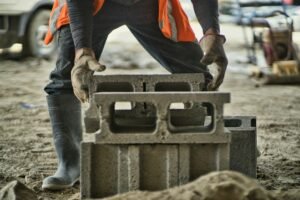


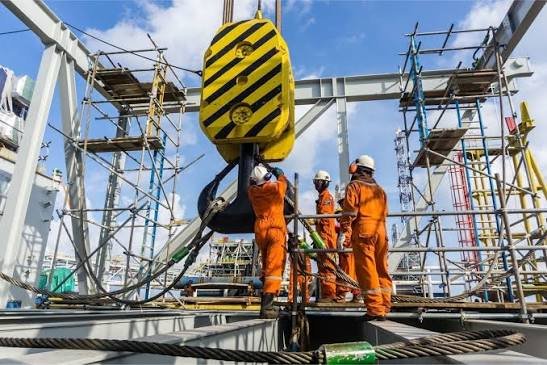
Construction sites are among the most active and potentially hazardous working environments. Workers, engineers, supervisors, contractors, machinery and materials often operate in the same limited space. Activities such as excavation, lifting, concrete work, working at height, electrical installation and demolition can create serious risks if proper safety procedures are not followed.
Construction safety is therefore an essential part of every project. A safe site protects workers, visitors, equipment and the surrounding community while also reducing accidents, delays, property damage and unnecessary costs. Safety should not be treated as a separate activity; it should be incorporated into planning, design, procurement and everyday site operations.
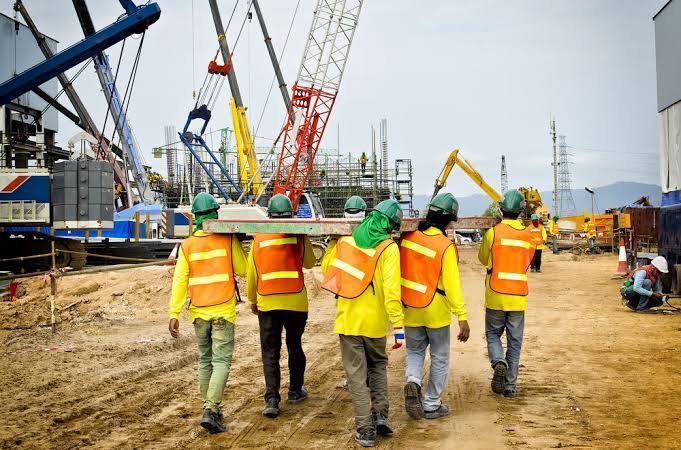
Establish a Site Safety Plan
Every construction project should have a clear safety plan before major work begins.
The plan should identify potential hazards, establish preventive measures and define responsibilities for workers, supervisors, contractors and site management.
It should address activities such as:
- Excavation
- Working at height
- Lifting operations
- Electrical work
- Concrete work
- Scaffolding
- Machinery operation
- Material storage
- Emergency response
The safety plan should be reviewed and updated when construction activities or site conditions change.
Provide Proper Personal Protective Equipment
Personal protective equipment, commonly known as PPE, is an important line of defence against workplace hazards.
Depending on the work, PPE may include:
- Safety helmets
- Safety footwear
- High-visibility clothing
- Safety glasses
- Gloves
- Hearing protection
- Respiratory protection
- Fall-protection equipment
PPE should be suitable for the specific hazard and correctly fitted.
However, PPE should not be considered a substitute for eliminating or controlling hazards at their source.
Maintain Safe Access and Movement
Workers need safe routes to reach different parts of the construction site.
Walkways, stairways, ladders and access points should be maintained in safe condition.
Construction materials, cables, tools and debris should not be left where they can create trip hazards.
Adequate lighting should be provided where workers operate in areas with insufficient natural light.
Good housekeeping is one of the simplest ways to reduce accidents.
Control Work at Height
Falls from height are among the most serious construction hazards.
Work at height should be properly planned and controlled.
Depending on the situation, safety measures can include:
- Guardrails
- Properly designed scaffolding
- Safe platforms
- Fall-arrest systems
- Safety nets
- Secure ladders
- Controlled access
Workers should receive appropriate training before performing work at height.
Open edges, floor openings and roof edges should be protected.
Use Scaffolding Safely
Scaffolding should be properly designed, erected, inspected and maintained.
It should have adequate:
- Stability
- Platforms
- Guardrails
- Access
- Load capacity
- Foundation support
Workers should never modify scaffolding without proper authorisation.
Damaged or incomplete scaffolding should not be used until it has been made safe.
Follow Ladder Safety
Ladders should be appropriate for the task and placed on stable surfaces.
Workers should avoid:
- Using damaged ladders
- Standing on unsafe top sections
- Overreaching
- Carrying unstable loads while climbing
- Placing ladders on unsuitable temporary supports
Where a task requires prolonged work or substantial force, a properly designed working platform may be more appropriate than a ladder.
Make Excavation Work Safe
Excavations can collapse without warning.
Before excavation begins, the site team should understand the ground conditions and identify underground services where applicable.
Depending on the depth and conditions, protective measures may include:
- Sloping
- Benching
- Shoring
- Shielding
- Safe access and egress
- Protection from falling materials
Water accumulation should also be controlled.
Workers should not enter an unsafe excavation.
Protect Workers From Falling Objects
Materials and tools can become dangerous when working above ground level.
Construction sites should prevent objects from falling onto workers below.
Measures may include:
- Secure storage
- Toe boards
- Guardrails
- Debris protection
- Controlled lifting
- Exclusion zones
Tools and materials should never be casually placed near unprotected edges.
Follow Safe Lifting Practices
Cranes, hoists, forklifts and other lifting equipment can create significant risks.
Before lifting operations, the team should consider:
- Load weight
- Equipment capacity
- Lifting method
- Ground conditions
- Weather
- Communication
- Load stability
- Exclusion zones
Workers should not stand beneath suspended loads.
Only competent and authorised personnel should operate lifting equipment.
Operate Machinery Carefully
Construction machinery can cause serious injury if operated improperly.
Equipment operators should be properly trained and authorised.
Machinery should be inspected and maintained according to applicable requirements.
Workers should maintain safe distances from moving equipment.
Where visibility is restricted, suitable signalling or communication procedures should be established.
Electrical Safety
Temporary and permanent electrical systems require careful management on construction sites.
Electrical installations should be properly designed, installed, protected and maintained.
Workers should be protected from hazards such as:
- Damaged cables
- Exposed conductors
- Improper connections
- Overloaded circuits
- Wet electrical equipment
- Unauthorised modifications
Electrical work should be carried out by appropriately qualified personnel.
Prevent Fires
Construction sites may contain combustible materials, electrical equipment, fuels and hot-work activities.
Fire prevention should include proper storage of combustible materials and control of ignition sources.
Where hot work is carried out, appropriate precautions should be established.
Suitable fire extinguishing equipment should be accessible and workers should know how to respond to a fire emergency.
Handle Chemicals Safely
Some construction activities involve paints, solvents, adhesives, fuels, coatings and other chemical products.
Workers should follow the manufacturer’s safety instructions and use appropriate protective equipment.
Chemical containers should be properly labelled and stored.
Safety information should be readily available to workers who handle hazardous substances.
Maintain Good Housekeeping
A clean construction site is generally a safer construction site.
Construction debris should be removed regularly.
Materials should be stored in an organised manner.
Waste should not block:
- Walkways
- Stairways
- Emergency exits
- Fire equipment
- Electrical panels
- Access routes
Good housekeeping should be maintained throughout the working day rather than only at the end of a shift.
Protect Against Dust
Construction activities such as cutting concrete, masonry and other materials can generate dust.
Depending on the material and exposure, dust can create health risks.
Control measures may include:
- Wet cutting
- Local extraction
- Suitable ventilation
- Respiratory protection
- Proper cleaning methods
Dry sweeping of hazardous dust should be avoided where it can unnecessarily put fine particles into the air.
Control Noise
Construction equipment can generate high noise levels.
Workers exposed to excessive noise may require appropriate hearing protection.
Where practical, noise should also be controlled through equipment selection, maintenance, isolation and work scheduling.
Workers should be informed about areas where hearing protection is required.
Manage Heat and Weather Conditions
Outdoor construction workers may be exposed to heat, strong sunlight, rain, wind and other weather conditions.
In hot conditions, suitable measures can include:
- Drinking sufficient water
- Taking appropriate rest periods
- Providing shaded areas
- Scheduling strenuous work appropriately
- Monitoring workers for signs of heat-related illness
Weather conditions should also be considered when planning lifting, roofing, scaffolding and other high-risk activities.
Keep Emergency Equipment Ready
Construction sites should have appropriate emergency arrangements.
Depending on the project, this can include:
- First-aid equipment
- Emergency contact information
- Fire extinguishers
- Emergency exits
- Communication systems
- Evacuation arrangements
Workers should know what to do in an emergency and where to assemble if evacuation is required.
Conduct Safety Training
Safety training should be provided before workers perform hazardous activities.
Training may cover:
- PPE
- Working at height
- Machinery
- Electrical safety
- Excavation
- Lifting
- Emergency procedures
- Chemical handling
New workers should receive site-specific orientation before beginning work.
Hold Regular Safety Meetings
Short safety meetings can help workers understand the hazards associated with current activities.
Topics can include:
- Today’s work
- Site hazards
- Weather conditions
- Equipment
- High-risk activities
- Recent incidents
- Preventive measures
Regular communication helps keep safety visible throughout the project.
Report Unsafe Conditions
Workers should be encouraged to report hazards without fear of blame.
Examples include:
- Damaged equipment
- Unsafe scaffolding
- Exposed electrical wires
- Unprotected openings
- Unstable materials
- Unsafe excavation
- Missing PPE
Early reporting allows problems to be corrected before an accident occurs.
Inspect the Site Regularly
Safety inspections should be conducted throughout construction.
Supervisors should look for unsafe conditions and unsafe practices.
Inspection records can help track:
- Identified hazards
- Corrective actions
- Responsible persons
- Completion dates
A safety inspection should lead to action rather than simply becoming paperwork.
Control Visitors and Unauthorised Access
Construction sites can be dangerous for people who are unfamiliar with the hazards.
Visitors should follow site access procedures and receive appropriate instructions.
Dangerous areas should be clearly identified and restricted where necessary.
Fencing, warning signs and controlled entrances can help prevent unauthorised access.
Protect the Public
Construction activities can affect neighbouring properties, roads, pedestrians and nearby communities.
Projects should consider hazards such as:
- Falling objects
- Dust
- Traffic
- Open excavations
- Construction vehicles
- Noise
- Temporary structures
Appropriate barriers, signage and traffic-control measures should be provided where required.
Avoid Unsafe Shortcuts
Construction schedules can create pressure to finish work quickly.
However, skipping safety procedures can create much greater delays if an accident occurs.
Examples of unsafe shortcuts include:
- Removing guardrails without protection
- Using damaged equipment
- Ignoring PPE requirements
- Working on incomplete scaffolding
- Bypassing electrical safety procedures
- Lifting loads beyond equipment capacity
Saving a few minutes is never worth risking a serious injury.
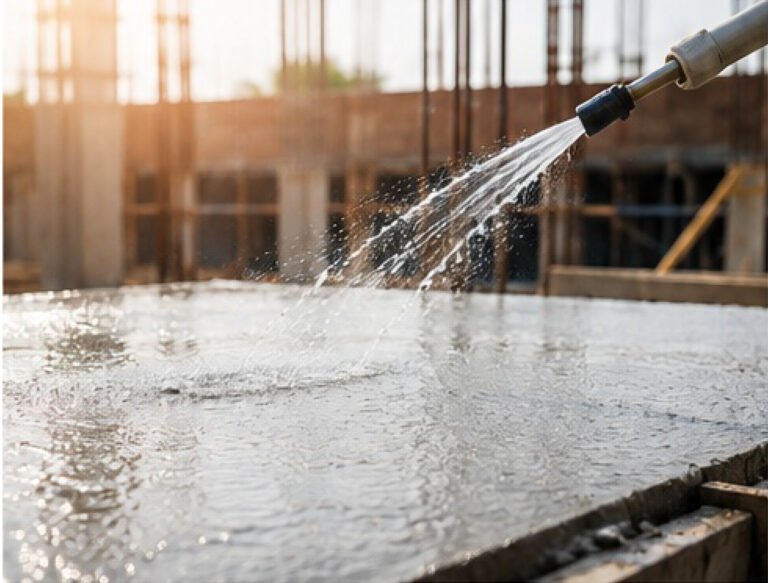
Safety During Concrete Work
Concrete construction involves several potential hazards, including reinforcement, formwork, pumps, mixers and heavy materials.
Workers should be protected from:
- Falling formwork
- Unstable temporary structures
- Moving machinery
- Cement exposure
- Improper lifting
- Unsafe access
Formwork and temporary works should be properly designed, inspected and supported.
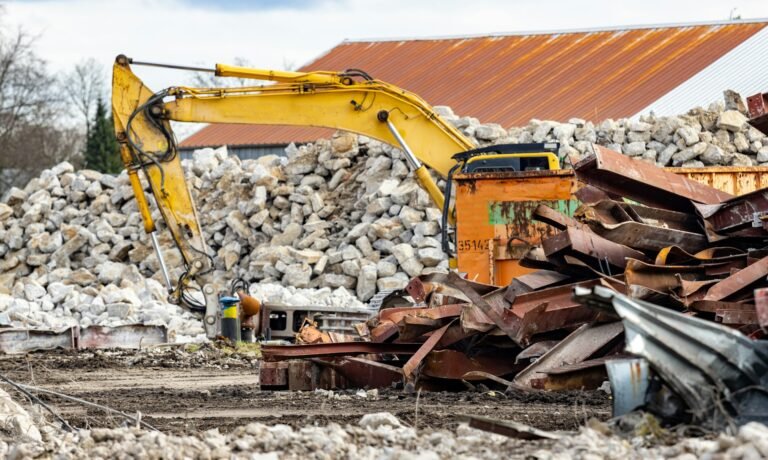
Safety During Demolition
Demolition requires particularly careful planning because structural stability can change rapidly.
Before demolition begins, the structure should be assessed and services should be appropriately isolated.
Workers should understand:
- The demolition sequence
- Structural risks
- Exclusion zones
- Dust control
- Debris handling
- Emergency procedures
Unplanned demolition can result in sudden collapse and serious injury.
Safety Documentation
Proper documentation supports effective safety management.
Records may include:
- Training records
- Inspection reports
- Equipment checks
- Incident reports
- Risk assessments
- Permits
- Toolbox meetings
- Corrective actions
Good documentation helps demonstrate that safety procedures are being actively managed.
Building a Safety Culture
The strongest construction safety systems are based on a culture where everyone takes responsibility.
Management should provide adequate resources and enforce safety requirements.
Engineers and supervisors should monitor work.
Workers should follow procedures and report hazards.
Contractors should ensure that their teams understand site requirements.
Safety becomes much more effective when it is treated as a shared responsibility rather than the responsibility of one safety officer.
Technology and Construction Safety
Technology is increasingly being used to improve construction safety.
Modern projects may use:
- Drones for site inspection
- Wearable safety devices
- Digital safety checklists
- GPS equipment tracking
- Building Information Modelling
- Remote monitoring
- Digital incident reporting
Technology can help identify hazards and improve communication, but it should complement—not replace—proper planning, supervision and worker training.
Conclusion
Construction safety is essential for protecting workers, the public, equipment and the project itself. A safe construction site requires proper planning, trained workers, suitable protective equipment, regular inspections, safe machinery operation, good housekeeping and effective emergency procedures.
Safety should begin before construction starts and continue through every stage of the project.
For builders, contractors, engineers and developers, the most important principle is simple:
A construction project is successful only when it is completed safely as well as efficiently.
Plan Safe. Work Safe. Build Strong.
About The Author