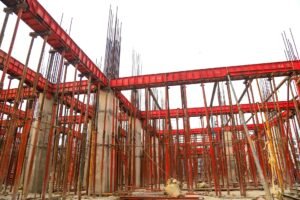


Modern home construction is changing as homeowners, architects, civil engineers, builders, and developers increasingly look for materials that provide durability and comfort while reducing environmental impact. Eco-friendly building materials can help reduce the consumption of natural resources, improve energy efficiency, minimize construction waste, and create healthier indoor environments.
Sustainable construction does not mean sacrificing strength, appearance, or modern design. Instead, it focuses on selecting materials responsibly and using them efficiently throughout the life of a building. From the foundation and walls to flooring, roofing, insulation, windows, and finishes, material selection can influence the environmental performance of a home.
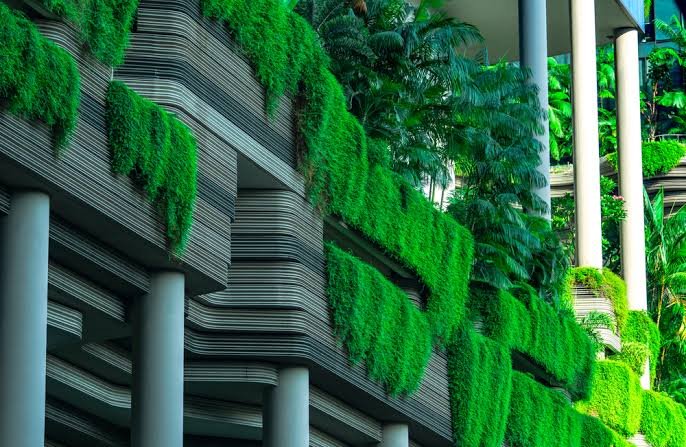
What Are Eco-Friendly Building Materials?
Eco-friendly building materials are materials selected, manufactured, transported, installed, used, and eventually reused or disposed of with consideration for their environmental impact. Depending on the material, sustainability can come from recycled content, renewable resources, local availability, durability, low energy consumption during manufacturing, or the ability to be reused or recycled.
The most suitable material depends on the climate, building design, structural requirements, budget, availability, and intended lifespan of the home.
1. Fly Ash Bricks
Fly ash bricks are manufactured using fly ash, cement or lime, sand, and other suitable materials. They can provide a consistent shape and smooth surface, which may reduce the amount of mortar and plaster required in some applications.
Using industrial by-products such as fly ash can help reduce dependence on conventional clay bricks and can provide a useful application for material generated by industrial processes.
For residential construction, engineers should select bricks according to applicable standards and verify their strength, water absorption, dimensional accuracy, and suitability for the intended application.
2. Compressed Earth Blocks
Compressed earth blocks are produced by compacting suitable soil, sometimes with a stabilizing material such as cement or lime. They provide a more natural appearance and can be particularly attractive for environmentally conscious residential architecture.
Proper soil selection, manufacturing quality, moisture protection, and structural design are essential. When appropriately designed, earth-based construction can contribute to thermal comfort and reduce dependence on highly processed materials.
3. Recycled Steel
Steel is widely used in modern construction because of its high strength and versatility. One of its important sustainability advantages is that steel can be recycled and reused.
Recycled steel can be used in structural frames, reinforcement, roofing systems, staircases, doors, and other components. Proper design can also reduce unnecessary material use while maintaining structural performance.
For structural applications, material grade, fabrication quality, welding, corrosion protection, and engineering design must always be considered.
4. Bamboo
Bamboo is a rapidly renewable material that can be used in suitable architectural and interior applications. It can be used for screens, ceilings, furniture, partitions, decorative elements, and, where properly engineered and permitted, structural components.
Bamboo requires appropriate treatment and protection against moisture, insects, and deterioration. Its performance depends greatly on species, processing, detailing, and environmental conditions.
5. Reclaimed Wood
Reclaimed wood is recovered from old buildings, structures, furniture, or other sources and reused in new construction or interior design.
It can provide a distinctive appearance while extending the useful life of existing material. Reclaimed timber can be used for flooring, doors, furniture, wall panels, ceilings, and decorative features.
Before reuse, timber should be inspected for structural condition, moisture damage, insects, contamination, and other defects.
6. Recycled and Reused Materials
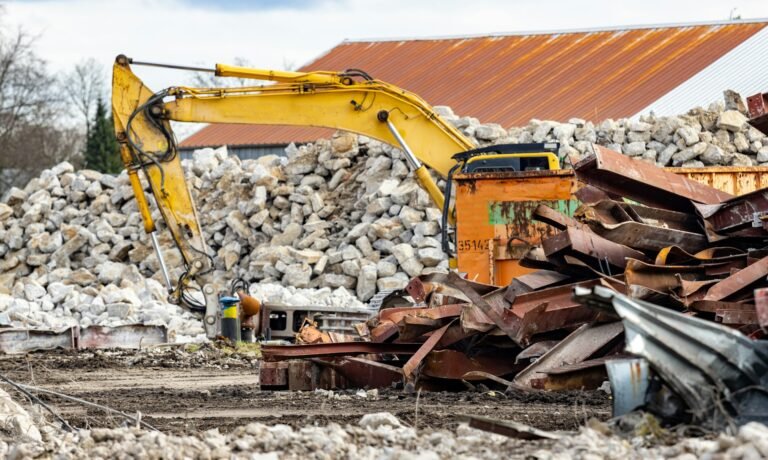
Construction and demolition activities generate large quantities of materials. Some materials can be recovered and reused instead of being sent directly to landfill.
Reused bricks, reclaimed timber, recycled metal, recycled glass, and other recovered products can become valuable resources when properly processed and tested.
Material reuse should be planned early in the project. Architects and contractors can identify opportunities to reuse materials during design rather than treating waste management as an activity that begins only after construction.
7. Low-Carbon Concrete
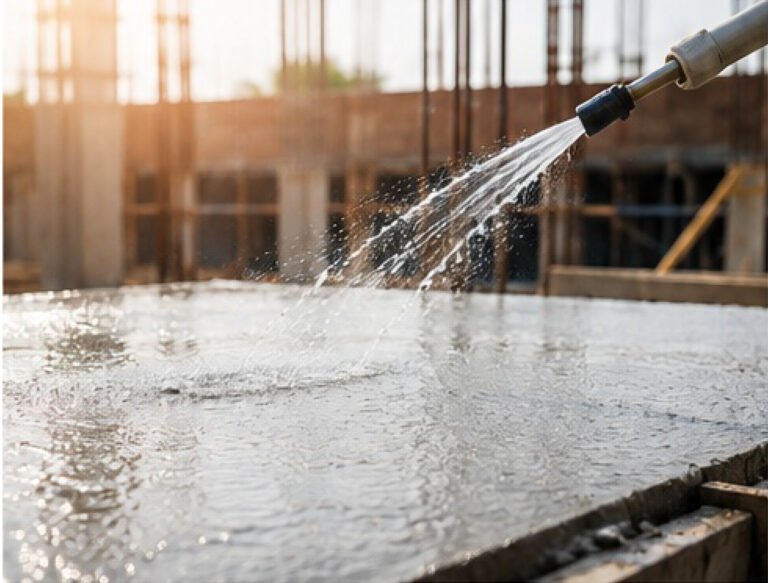
Concrete is one of the most widely used construction materials, but conventional cement production has a significant environmental footprint. Modern construction can therefore explore concrete mixes that reduce the amount of conventional cement while maintaining the required performance.
Supplementary cementitious materials and suitable alternative binders can be incorporated into certain concrete mixtures. However, the appropriate mix depends on structural requirements, durability, exposure conditions, local standards, and material availability.
Civil engineers should evaluate performance rather than selecting a material solely because it is marketed as environmentally friendly.
8. Natural and Sustainable Insulation
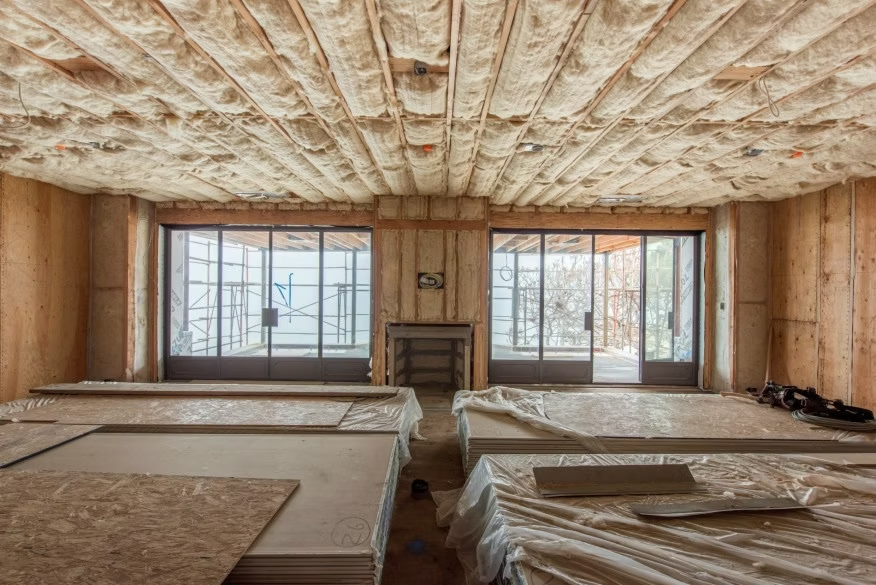
Insulation helps reduce unwanted heat transfer through walls and roofs. Good insulation can improve indoor comfort and reduce the energy required for heating or cooling.
Depending on availability and building requirements, insulation can include materials such as cellulose, mineral wool, cork, wood fibre, or other suitable products.
The correct insulation system should consider thermal performance, moisture, fire safety, durability, installation quality, and local climatic conditions.
9. Recycled Glass
Recycled glass can be processed into products suitable for certain construction and interior applications. It may be used in decorative surfaces, tiles, countertops, glass aggregates, and other products.
Using recycled glass can help divert suitable waste from disposal and introduce attractive finishes into modern homes.
10. Sustainable Flooring Materials
Flooring has a significant influence on the appearance and comfort of a home. Sustainable options can include responsibly sourced timber, bamboo, cork, recycled materials, natural stone selected with consideration for sourcing, and certain recycled-content tiles.
Durability is an important part of sustainability. A long-lasting floor that requires fewer replacements can reduce material consumption over the life of a building.
11. Low-VOC Paints and Finishes
Paints, adhesives, sealants, and other finishing products can influence indoor air quality. Low-VOC products are designed to reduce emissions of volatile organic compounds compared with conventional high-emission alternatives.
Selecting suitable low-emission finishes can contribute to a healthier indoor environment, particularly in bedrooms, living spaces, schools, and other occupied areas.
12. Energy-Efficient Windows
Windows are an important part of building performance. Poorly designed windows can contribute to unwanted heat gain or heat loss, increasing the demand for mechanical cooling or heating.
Energy-efficient glazing, appropriate window frames, shading devices, and careful orientation can improve thermal comfort. In warm climates, external shading can be particularly useful for controlling direct solar radiation.
13. Sustainable Roofing Materials
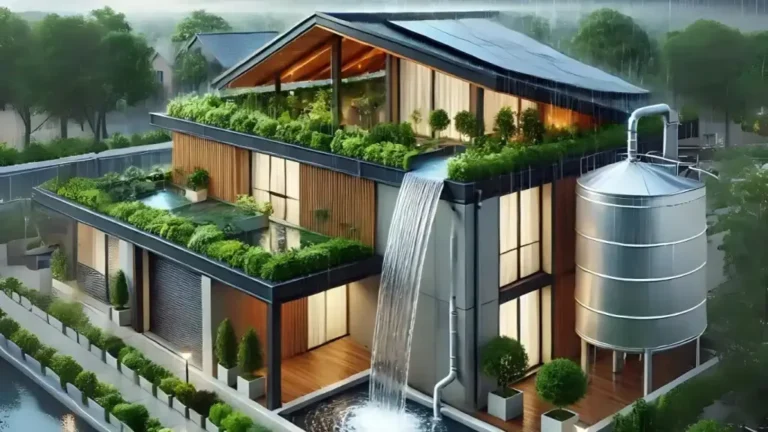
The roof is one of the most important components for controlling a home’s exposure to sunlight, rain, and heat. Sustainable roofing can involve durable materials, reflective surfaces where appropriate, recycled-content products, and designs that support rainwater collection or solar-energy systems.
A well-designed roof can improve building performance while reducing maintenance and replacement requirements.
14. Natural Stone and Locally Available Materials
Locally available materials can sometimes reduce transportation requirements and support regional construction industries. Natural stone, locally manufactured bricks, regional timber, and other locally available products may be appropriate depending on the project.
However, local availability alone does not automatically make a material sustainable. Extraction practices, processing, durability, transportation distance, and environmental impact should also be considered.
Benefits of Eco-Friendly Building Materials
Using appropriate sustainable materials can provide several benefits:
- Reduced consumption of natural resources
- Lower construction waste
- Improved energy efficiency
- Better indoor environmental quality
- Increased material durability
- Opportunities for recycling and reuse
- Reduced dependence on newly extracted raw materials
- Potentially lower maintenance requirements
- Improved environmental performance of buildings
The benefits depend on the complete building design rather than on any single product.
The Importance of Life-Cycle Thinking
A material should not be considered sustainable simply because it is described as “green.” Architects, engineers, and builders should consider its complete life cycle.
This includes raw-material extraction, manufacturing, transportation, construction, maintenance, operational performance, replacement, reuse, recycling, and final disposal.
For example, a highly durable material that lasts for many decades may have advantages over a material that has a lower initial environmental impact but needs frequent replacement.
Role of Architects and Civil Engineers
Architects play an important role in integrating sustainable materials into building design. They can consider orientation, natural lighting, ventilation, shading, material selection, space planning, and energy performance.
Civil and structural engineers evaluate strength, durability, foundations, structural systems, materials, and construction methods. Their role is to ensure that environmentally responsible choices also satisfy safety and performance requirements.
Successful sustainable construction requires cooperation among architects, civil engineers, structural engineers, contractors, suppliers, manufacturers, developers, and homeowners.
Eco-Friendly Materials and Modern Home Design
Sustainable materials can be incorporated into contemporary architectural styles. A modern home can combine glass, steel, concrete, timber, stone, bamboo, recycled materials, and energy-efficient systems while maintaining a clean and attractive appearance.
The goal is not simply to make a building look “green.” The objective is to create a home that performs efficiently, uses resources responsibly, remains comfortable, and provides long-term value.
Conclusion
Eco-friendly building materials are becoming an important part of modern residential construction. Materials such as fly ash bricks, recycled steel, bamboo, reclaimed wood, compressed earth blocks, recycled glass, sustainable insulation, low-VOC finishes, and efficient glazing can contribute to more responsible construction when selected and installed correctly.
However, sustainable construction is much broader than choosing environmentally friendly products. Good design, efficient structural systems, responsible construction practices, waste reduction, water conservation, energy efficiency, durability, and proper maintenance are equally important.
The modern home of the future should be designed not only for appearance and comfort but also for environmental responsibility and long-term performance. By combining good architecture with sound civil engineering and thoughtful material selection, homeowners and construction professionals can create buildings that are efficient, durable, healthy, and better suited to a sustainable future.
Better Materials. Smarter Construction. Greener Homes.
About The Author