

Introduction
Reinforced Cement Concrete, commonly known as RCC, is one of the most widely used construction systems in modern buildings. It combines the compressive strength of concrete with the tensile strength of steel reinforcement to create structural elements capable of carrying significant loads.
RCC is used in residential houses, apartments, commercial buildings, bridges, industrial structures, retaining structures, water tanks and many other types of construction.
The success of an RCC structure depends not only on the materials used but also on proper structural design, reinforcement detailing, concrete quality, formwork, placing, compaction, curing and construction supervision.
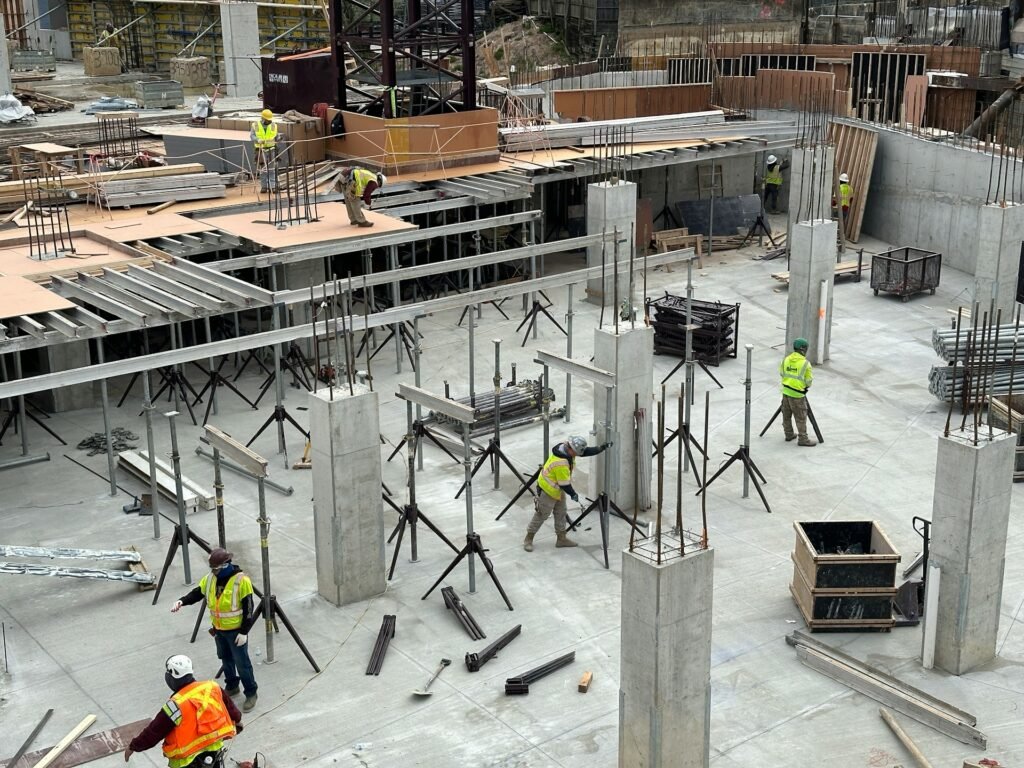
1. What Is RCC?
RCC stands for Reinforced Cement Concrete.
Concrete is strong when subjected to compression but comparatively weak in tension. Steel reinforcement, on the other hand, has high tensile strength. By placing steel reinforcement within concrete in appropriate locations, the two materials work together.
In a typical reinforced concrete beam:
- Concrete primarily carries compressive stresses.
- Steel reinforcement carries tensile stresses.
- Concrete protects the reinforcement from environmental exposure.
- The bond between concrete and steel allows the materials to act together.
This combination makes RCC suitable for a wide range of structural applications.
2. Main Materials Used in RCC
The principal materials used in RCC construction are:
Cementitious Material
Cement is a key ingredient in conventional concrete. It reacts with water and contributes to the binding process that develops concrete strength.
Fine Aggregate
Sand or another suitable fine aggregate fills spaces between larger aggregate particles and contributes to the concrete mixture.
Coarse Aggregate
Materials such as crushed stone or gravel provide the bulk of the concrete volume and contribute to strength and stability.
Water
Water is required for cement hydration and for achieving workable concrete. The quantity and quality of water are important.
Steel Reinforcement
Steel bars provide tensile resistance and help control cracking and structural deformation.
Admixtures
Where appropriate, chemical or mineral admixtures can be used to modify concrete properties such as workability, setting time, durability or strength development.
The materials and proportions should follow the approved concrete mix design and applicable standards.
3. Why Is Steel Used in Concrete?
Concrete performs very well under compression but has limited tensile capacity.
Consider a simply supported beam carrying a load. The lower portion of the beam may experience tensile stresses. Steel reinforcement is therefore placed in the appropriate tensile region to resist these stresses.
This is one of the fundamental principles behind reinforced concrete construction.
Steel also has good compatibility with concrete because the two materials can work together through bond. Concrete provides protection to embedded reinforcement when adequate cover and durability provisions are maintained.
4. Major RCC Structural Components
RCC can be used to construct many structural elements.
Footings
Footings transfer loads from columns or walls to the ground.
Columns
Columns transfer loads from beams and slabs toward the foundations.
Beams
Beams transfer loads from slabs and other elements to columns or walls.
Slabs
Slabs form floors and roofs and transfer loads to supporting beams, walls or other structural elements.
Staircases
RCC staircases can provide durable and structurally integrated access between floors.
Retaining Structures
Reinforced concrete can be used in retaining walls and other structures designed to resist lateral earth pressure.
The design of each element depends on the loads, dimensions, materials, support conditions and other project-specific factors.
5. RCC Foundation Construction
The foundation is one of the most important parts of an RCC building.
Before foundation construction begins, the soil should be investigated and the foundation system should be designed by an appropriately qualified professional.
The general construction sequence may include:
- Site preparation
- Setting out
- Excavation
- Preparation of the founding surface
- Placement of any specified base or blinding layer
- Reinforcement installation
- Formwork where required
- Concrete placement
- Compaction
- Curing
- Inspection and approval
- Backfilling where appropriate
The exact procedure varies according to the foundation type and project requirements.
6. RCC Columns
Columns are vertical structural elements that transfer loads toward the foundation.
Column reinforcement generally includes longitudinal bars and transverse reinforcement such as ties or links.
Correct reinforcement placement is essential. The number, diameter, spacing, lap arrangements and anchorage should follow the structural drawings.
Concrete must be properly placed and compacted around reinforcement.
Poor compaction can create voids or honeycombing, which may affect durability and structural performance.
7. RCC Beams
Beams carry loads from slabs and other structural elements and transfer them to supports.
In a typical reinforced concrete beam, longitudinal reinforcement is arranged according to the tension and compression demands of the structural design. Shear reinforcement is also provided where required.
Beam reinforcement must be placed accurately because incorrect positioning can significantly affect structural behaviour.
The formwork must provide the required dimensions, alignment and support during concrete placement and until the concrete has gained sufficient strength according to the approved construction procedure.
8. RCC Slabs
Slabs form floors and roofs in many buildings.
Depending on the structural system, slabs may span in one direction or two directions, or may be supported using other structural arrangements.
Steel reinforcement is provided according to the design to resist bending and control cracking.
Before concrete is placed, the construction team should verify:
- Slab thickness
- Reinforcement diameter
- Reinforcement spacing
- Reinforcement position
- Concrete cover
- Openings
- Electrical and plumbing provisions
- Formwork levels and support
Once concrete is placed, proper compaction and curing become important.
9. Importance of Reinforcement Detailing
Reinforcement is not simply a collection of steel bars placed inside concrete.
The position, spacing, diameter, anchorage, development length, laps, bends and connections all contribute to structural performance.
Structural drawings provide the required reinforcement arrangement for each component.
Changing reinforcement on site without appropriate engineering approval can be dangerous.
Contractors and site engineers should therefore carefully follow approved structural drawings and resolve discrepancies with the responsible design professional before proceeding.
10. Concrete Mix and Quality
Concrete quality is one of the most important factors in RCC construction.
A concrete mix must provide the required strength, workability and durability for the intended application.
Important factors include:
- Material quality
- Water-cementitious material ratio
- Aggregate properties
- Mixing
- Transportation
- Placement
- Compaction
- Curing
- Environmental conditions
Adding uncontrolled water to concrete at the construction site can change its properties and may reduce performance.
Concrete should therefore be produced and placed according to the approved specifications and applicable standards.
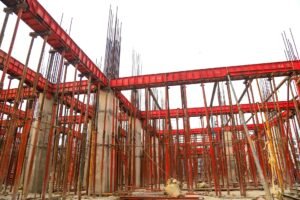
11. Formwork in RCC Construction
Formwork provides the temporary mould that holds fresh concrete in the required shape.
Good formwork should have sufficient strength, stability and dimensional accuracy.
It should also be properly supported so that it does not move or deform excessively during concrete placement.
Before pouring concrete, formwork should be inspected for:
- Dimensions
- Alignment
- Level
- Stability
- Cleanliness
- Openings
- Release treatment where applicable
- Reinforcement position
Poor formwork can lead to dimensional errors, surface defects and safety problems.
12. Concrete Placement
Concrete should be transported and placed in a way that maintains its intended properties.
The concrete should not be allowed to segregate excessively during handling.
Placement should be organised so that the concrete reaches all required areas and properly surrounds the reinforcement.
Where mechanical vibration is required, compaction should be carried out appropriately.
Over-vibration can also be undesirable in some situations, so the method should follow the approved construction procedure.
13. Why Concrete Compaction Is Important
Fresh concrete contains air voids. Proper compaction helps reduce unwanted voids and improves contact between concrete and reinforcement.
Poor compaction can result in:
- Honeycombing
- Voids
- Reduced durability
- Poor surface quality
- Reduced effective structural performance
Mechanical vibrators are commonly used for many RCC applications.
The vibrator should be operated by trained personnel and used according to suitable procedures.
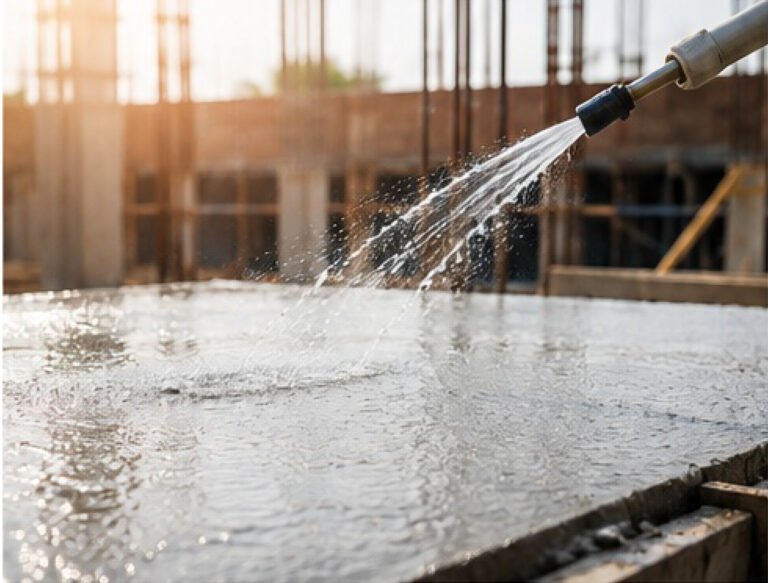
14. Importance of Curing
After concrete placement, curing is essential for proper strength development and durability.
Concrete gains strength through cement hydration, and suitable moisture and temperature conditions help this process continue.
Curing methods may include:
- Water curing
- Wet coverings
- Curing compounds
- Other approved curing systems
The appropriate curing method and duration depend on the concrete, weather, structural element and project specifications.
Insufficient curing can contribute to surface drying, cracking and reduced long-term performance.
15. Concrete Cover to Reinforcement
Concrete cover is the distance between the surface of the concrete and the reinforcement.
Adequate cover helps protect reinforcement from environmental exposure and contributes to fire resistance and durability.
The required cover depends on the structural element, exposure conditions, reinforcement and applicable standards.
Reinforcement should therefore be properly supported using suitable spacers or chairs so that the specified position is maintained during concrete placement.
16. Common RCC Construction Problems
Several problems can occur when RCC construction is poorly controlled.
Honeycombing
Honeycombing occurs when concrete does not properly fill the space around reinforcement and formwork.
Cracking
Concrete can crack for many reasons, including shrinkage, thermal effects, settlement, structural actions, inadequate detailing or environmental conditions.
Poor Compaction
Inadequate vibration can leave voids and reduce concrete quality.
Incorrect Reinforcement
Incorrect bar size, spacing or positioning can affect structural performance.
Insufficient Curing
Inadequate curing can negatively affect strength and durability.
Poor Formwork
Unstable or inaccurate formwork can result in incorrect dimensions or deformation.
Proper supervision and quality control can reduce these risks.
17. RCC and Building Durability
A well-designed RCC structure can have a long service life when properly constructed and maintained.
Durability depends on factors such as:
- Concrete quality
- Reinforcement protection
- Environmental exposure
- Water penetration
- Crack control
- Drainage
- Construction quality
- Maintenance
Water and aggressive environmental conditions can contribute to reinforcement corrosion if the concrete does not provide adequate protection.
Therefore, durability should be considered during design and construction rather than only after problems appear.
18. Modern RCC Construction
Modern construction technology is improving RCC construction in several ways.
Ready-mixed concrete can provide more controlled production for suitable projects. Pumped concrete can help place concrete efficiently in tall or difficult-to-access structures.
Advanced formwork systems can improve construction speed and dimensional consistency.
Digital tools such as BIM can help coordinate structural and architectural information.
Concrete testing and quality-control systems can provide useful information about material performance.
For large projects, monitoring and documentation systems can improve construction management.
Technology should complement, rather than replace, sound engineering principles and skilled workmanship.
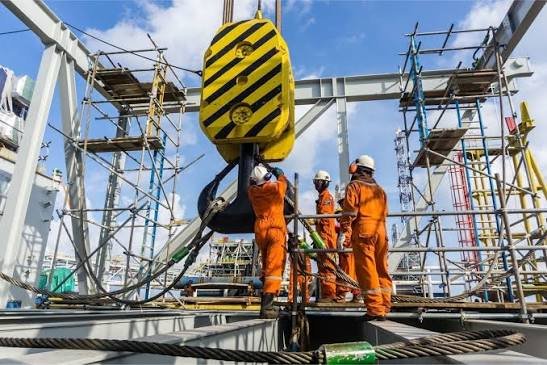
19. RCC Construction Safety
Construction safety must be considered throughout RCC work.
Activities such as reinforcement fixing, formwork erection, concrete pouring, lifting operations and work at height can present hazards.
Important safety measures may include:
- Proper personal protective equipment
- Safe access and working platforms
- Secure formwork and temporary supports
- Safe lifting procedures
- Electrical safety
- Good housekeeping
- Appropriate fall protection
- Trained workers
- Effective site supervision
Safety requirements should comply with applicable regulations and project-specific procedures.
20. Quality Control in RCC Construction
Quality control should begin before construction and continue throughout the project.
Typical checks may include:
Before concrete placement:
- Formwork inspection
- Reinforcement inspection
- Concrete cover
- Dimensions and levels
- Embedded items
- Cleanliness
During concrete placement:
- Concrete delivery
- Workability checks where required
- Placement method
- Compaction
- Construction joints
After placement:
- Curing
- Surface inspection
- Concrete testing
- Documentation
Good records can help demonstrate that construction has followed the approved requirements.
21. Sustainable RCC Construction
Concrete is extremely useful, but its production can have significant environmental impacts.
The construction industry is therefore exploring ways to reduce the environmental footprint of concrete.
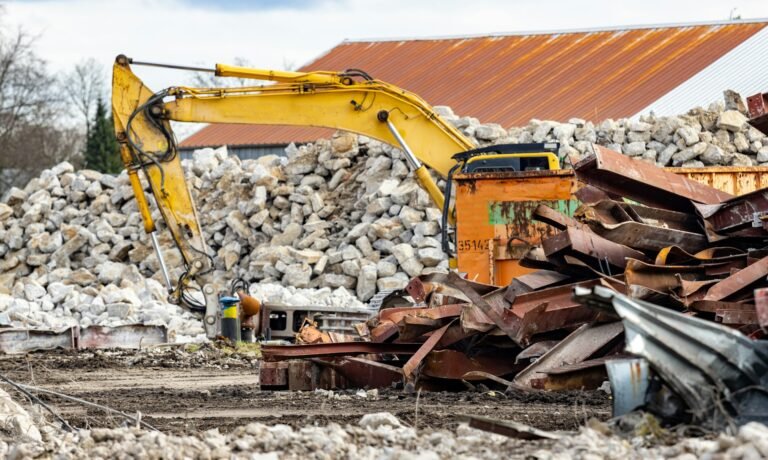
Possible approaches include the appropriate use of supplementary cementitious materials, recycled aggregates where suitable, optimised structural design, reduced material waste, longer service life and improved construction efficiency.
The correct approach depends on project requirements and applicable standards.
The goal is not simply to use less concrete. It is to use materials efficiently while maintaining required safety, durability and structural performance.
22. Future of RCC Construction
RCC construction will continue to evolve.
Digital design, automated reinforcement systems, advanced concrete mixes, improved formwork, prefabricated reinforcement cages, robotic equipment and better quality-control systems may increase productivity.
Research into lower-carbon cement and concrete technologies may also influence future construction.
At the same time, fundamental principles will remain important. Structural loads must be understood, reinforcement must be correctly detailed, concrete must be properly placed and cured, and construction must comply with engineering requirements.
The future of RCC will therefore combine established engineering knowledge with improved materials, technology and construction processes.
Conclusion
Reinforced Cement Concrete has played a major role in the development of modern construction. By combining concrete with steel reinforcement, RCC provides a versatile structural system suitable for foundations, columns, beams, slabs, staircases, retaining structures and many other applications.
However, RCC is not simply about mixing concrete and placing steel bars. Successful construction requires proper structural design, suitable materials, accurate reinforcement detailing, reliable formwork, controlled concrete placement, effective compaction, adequate curing and continuous quality control.
The durability of an RCC structure also depends on protecting reinforcement, managing water exposure and maintaining the building throughout its service life.
Modern technology is making RCC construction faster, more coordinated and more efficient, but technology cannot replace engineering judgement and skilled workmanship.
A strong RCC structure is the result of good design, quality materials, accurate reinforcement, proper construction and disciplined quality control.
Build it right from the beginning, and the structure can serve safely and reliably for generations.
About The Author