

Quality control is one of the most important parts of successful construction. A building may have an attractive design and a strong structural system, but its long-term performance depends heavily on the quality of materials, workmanship and construction processes used on site.
Quality control ensures that construction work is carried out according to approved drawings, technical specifications, applicable standards and project requirements. It helps identify defects before they become expensive problems and ensures that the completed building is safe, durable and fit for its intended purpose.
For architects, civil engineers, builders, developers and contractors, quality control is not simply an inspection activity. It is a continuous process that begins before construction and continues until the project is completed.
What Is Quality Control in Construction?
Quality control is the systematic process of checking construction materials, workmanship and completed work to ensure that they meet specified requirements.
It can include:
- Material inspection
- Laboratory testing
- Dimensional checks
- Workmanship inspection
- Concrete quality testing
- Reinforcement inspection
- Waterproofing checks
- Structural inspections
- Documentation
- Final quality verification
The objective is to identify problems early and prevent defective work from progressing to the next stage.
Why Quality Control Matters
Construction defects can affect the safety, appearance, durability and cost of a building.
A small mistake during construction can sometimes create a much larger problem later. For example, inadequate reinforcement cover can contribute to reinforcement corrosion, while poor waterproofing can result in dampness and damage to finishes.
Effective quality control reduces these risks by ensuring that important construction activities are inspected and verified at the appropriate stages.
Quality Starts With the Drawings
Before construction begins, the project team should carefully review approved drawings and specifications.
The construction team needs to understand:
- Dimensions
- Material specifications
- Structural details
- Levels
- Reinforcement details
- Openings
- Finishes
- Service requirements
Construction should not proceed based on assumptions where approved information is available.
Coordination between architectural, structural and service drawings is also important to prevent conflicts during construction.
Quality of Construction Materials
Materials form the foundation of construction quality.
Cement, steel reinforcement, aggregates, concrete, bricks, blocks, waterproofing products, tiles, pipes, electrical materials and finishing products should meet the required specifications.
Materials should be inspected when they arrive at the site.
Depending on the material, checks may include:
- Manufacturer information
- Batch details
- Dimensions
- Physical condition
- Test certificates
- Relevant laboratory test results
- Applicable standards
Using unsuitable materials can compromise the performance of otherwise well-designed construction.
Concrete Quality Control
Concrete is one of the most important materials in reinforced concrete construction.
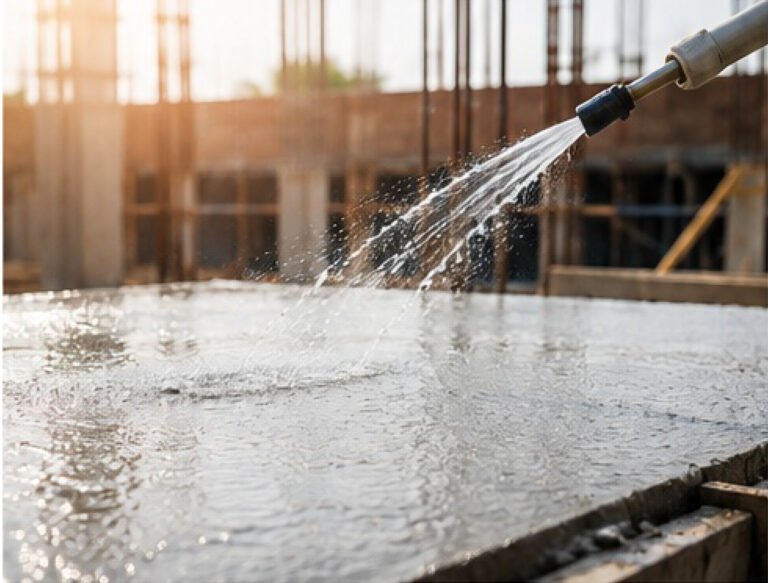
Quality control should cover the complete concrete process, including batching, mixing, transportation, placement, compaction and curing.
Important checks may include:
- Mix requirements
- Water-cement ratio
- Workability
- Concrete temperature where relevant
- Sampling
- Strength testing
- Proper compaction
- Curing
Concrete should be placed and compacted correctly to reduce the risk of honeycombing, voids and other defects.
Reinforcement Inspection
Reinforcement provides essential tensile capacity in reinforced concrete structures.
Before concrete is poured, reinforcement should be inspected to verify details such as:
- Bar diameter
- Number of bars
- Spacing
- Lap lengths
- Anchorage
- Position
- Cover
- Stirrups and ties
Once concrete has been placed, many reinforcement details become inaccessible.
Therefore, reinforcement inspection before pouring is a critical quality-control activity.
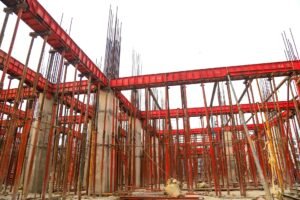
Formwork Quality
Formwork determines the shape and dimensions of concrete members.
Poor formwork can result in:
- Misaligned columns
- Incorrect beam dimensions
- Uneven surfaces
- Leakage of cement paste
- Dimensional errors
- Structural and finishing problems
Formwork should be checked for alignment, stability, dimensions, cleanliness and proper support before concrete placement.
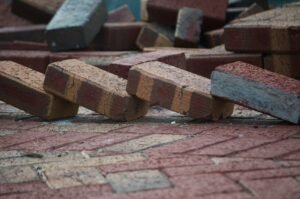
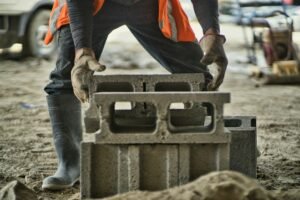
Masonry Quality
Brick and block masonry should be carefully monitored.
Important aspects include:
- Unit quality
- Wall alignment
- Level
- Verticality
- Joint thickness
- Mortar quality
- Bonding
- Openings
- Connection with structural elements
Poor masonry workmanship can lead to cracks, uneven surfaces and difficulties during plastering and finishing.
Waterproofing Quality
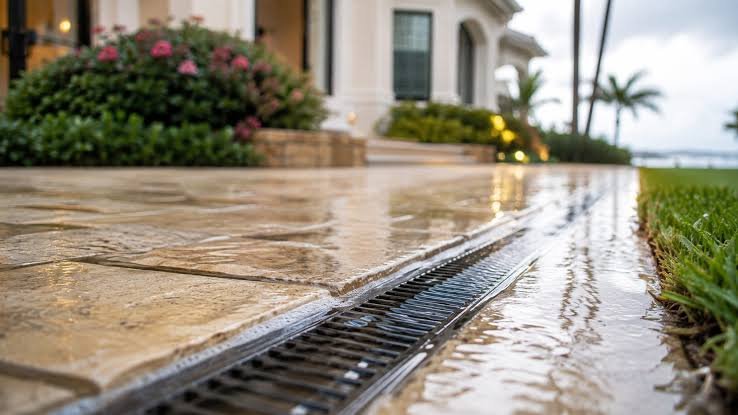
Waterproofing is an area where quality control is especially important.
Waterproofing failures can cause:
- Damp walls
- Ceiling stains
- Mould growth
- Paint deterioration
- Concrete deterioration
- Damage to interior finishes
Waterproofing should be inspected at critical stages, including surface preparation, application, joint treatment and protection.
Where appropriate, testing should be carried out before the waterproofed area is covered by subsequent construction.
Electrical and Plumbing Quality
Building services also require quality control.
Electrical installations should be checked for proper routing, connections, protection and compliance with applicable requirements.
Plumbing installations should be inspected for:
- Correct pipe routing
- Joint quality
- Slopes
- Supports
- Leakage
- Pressure testing where required
Services should be coordinated with structural and architectural work to avoid unnecessary cutting or modification.
Dimensional Accuracy
Small dimensional errors can accumulate throughout a building.
Quality control should verify:
- Floor levels
- Column positions
- Wall alignment
- Door openings
- Window openings
- Stair dimensions
- Ceiling levels
- Finished floor levels
Accurate measurements can prevent problems during later construction stages.
Workmanship
Even high-quality materials can produce poor results if they are installed incorrectly.
Workers should understand the correct construction methods and follow approved procedures.
Supervisors play an important role in ensuring that workmanship meets the required standard.
Training and clear instructions can significantly reduce avoidable defects.
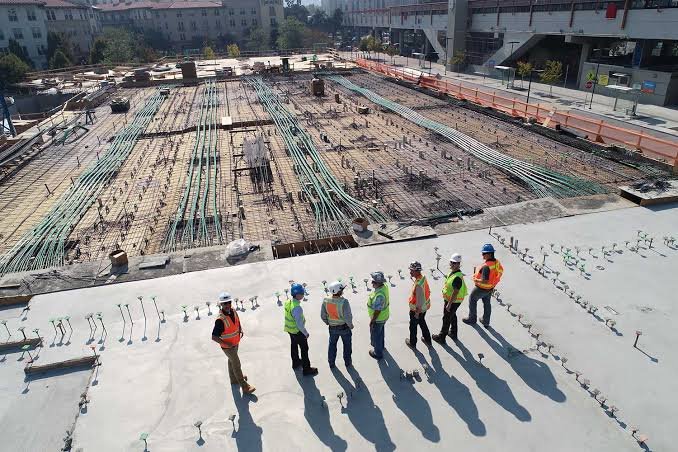
Inspection at Every Stage
Quality control should not be postponed until the end of the project.
Construction should be inspected progressively.
For example:
Foundation → Reinforcement → Formwork → Concrete → Masonry → Services → Plastering → Waterproofing → Flooring → Finishing → Final inspection
Checking each stage before the next stage begins makes defects easier and less expensive to correct.
Testing and Documentation
Testing provides evidence that materials and construction work meet specified requirements.
Depending on the project, testing may involve:
- Concrete strength
- Soil properties
- Steel properties
- Water-tightness
- Plumbing pressure
- Electrical safety
- Material dimensions
- Surface performance
Test results should be properly recorded and maintained as part of the project documentation.
Preventing Defects Instead of Repairing Them
A major objective of quality control is prevention.
Repairing a defect after construction is usually more expensive than preventing it.
For example, correcting a waterproofing problem after tiles and finishes have been installed can require demolition and reconstruction.
Quality control therefore saves both time and money by identifying problems before they become concealed.
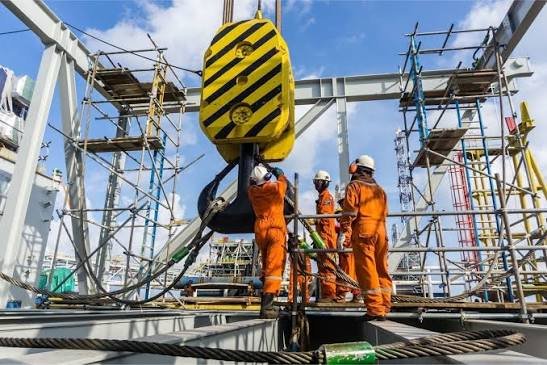
Quality Control and Safety
Quality and safety are closely connected.
Poor construction can create safety risks during construction and after the building is occupied.
Examples include:
- Weak structural members
- Incorrect reinforcement
- Unsafe electrical installations
- Poorly installed stairs
- Defective railings
- Unstable temporary works
Quality-control procedures help reduce these risks.
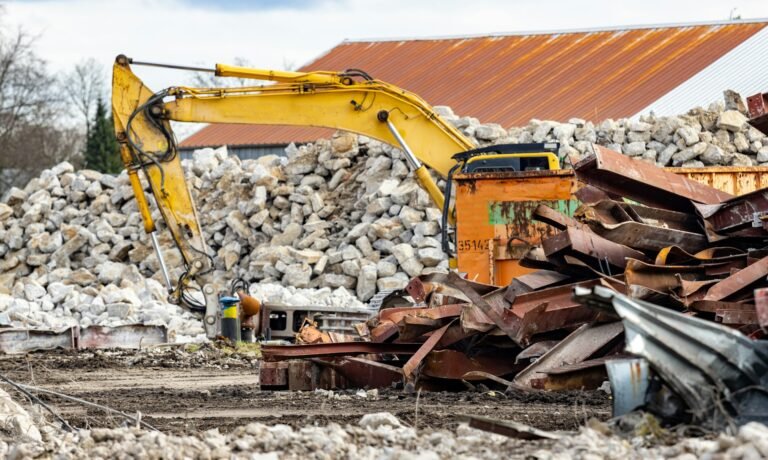
Reducing Construction Waste
Good quality control can also reduce material waste.
Defective concrete, damaged tiles, incorrectly cut materials and rejected masonry units can increase project waste.
Accurate planning and proper workmanship reduce unnecessary replacement and rework.
This can improve both project efficiency and environmental performance.
Reducing Project Delays
Defects discovered late in construction can interrupt several activities simultaneously.
For example, a plumbing defect discovered after wall finishing may require breaking the finished surface and repeating multiple activities.
Early inspection helps prevent such delays.
Quality control therefore supports smoother project scheduling.
Quality Control and Cost Management
Quality control has a direct relationship with construction costs.
Poor quality can create:
- Rework
- Material wastage
- Labour losses
- Schedule delays
- Repair costs
- Customer complaints
- Maintenance expenses
Although quality-control activities require time and resources, they can significantly reduce the cost of correcting defects later.
Role of the Site Engineer
The site engineer plays an important role in maintaining construction quality.
Responsibilities may include:
- Checking drawings
- Inspecting materials
- Monitoring construction activities
- Checking dimensions
- Coordinating testing
- Recording inspections
- Identifying defects
- Coordinating corrective actions
The site engineer also helps communicate technical requirements to supervisors and workers.
Role of the Contractor
The contractor is responsible for executing the work according to approved drawings, specifications and applicable requirements.
A responsible contractor should establish proper procedures for:
- Material procurement
- Storage
- Construction
- Inspection
- Testing
- Corrective work
Quality should be treated as a project responsibility rather than something handled only by an inspector.
Quality Control Checklists
Checklists can make inspections more systematic.
A checklist can identify the important items that need to be verified before work proceeds.
For example, before concrete placement, a checklist may include reinforcement, formwork, dimensions, embedded items, cleanliness and access.
Checklists help reduce the possibility of overlooking important details.
Final Inspection
Before handing over a building, a comprehensive final inspection should be conducted.
The inspection can identify:
- Cracks
- Leakage
- Uneven finishes
- Damaged surfaces
- Door and window problems
- Plumbing defects
- Electrical issues
- Incomplete work
Defects should be documented and corrected before final handover wherever required.
Technology in Construction Quality Control
Technology is increasingly supporting quality management.
Modern projects may use:
- Digital inspection forms
- Building Information Modelling
- Laser measurements
- Digital levels
- Drones
- Photographic documentation
- Material tracking systems
- Digital project-management platforms
These tools can improve documentation, coordination and inspection efficiency.
Technology, however, does not replace professional judgement. Proper inspection and experienced supervision remain essential.
Common Quality-Control Mistakes
Some common mistakes include:
- Skipping inspections to save time
- Accepting materials without verification
- Ignoring small defects
- Poor documentation
- Allowing work to proceed without approval
- Inadequate supervision
- Using untrained workers
- Failing to follow manufacturer’s instructions
- Correcting defects only after completion
Small problems should be treated seriously before they develop into major failures.
Building a Quality Culture
Quality should be part of the project’s working culture.
Everyone involved—from the developer and architect to the engineer, contractor, supervisor and worker—has a role to play.
Workers should be encouraged to report problems rather than hide them.
When quality is treated as everyone’s responsibility, defects can be identified and corrected earlier.
Quality Control and Long-Term Building Performance
The benefits of quality control continue long after construction is completed.
A well-constructed building can provide:
- Better durability
- Lower maintenance requirements
- Improved occupant comfort
- Greater safety
- Better appearance
- Longer service life
- Higher property value
Quality control is therefore an investment in the future performance of the building.
Conclusion
Quality control is not an optional activity in construction. It is an essential process that protects the strength, safety, durability, appearance and value of a building.
From material inspection and reinforcement checks to concrete testing, waterproofing inspection and final finishing, every stage of construction contributes to the final quality of the project.
The most effective approach is to identify potential problems early, follow approved procedures, document inspections and ensure that defective work is corrected before it becomes concealed.
For builders, developers, civil engineers and contractors, quality should never be viewed as an additional burden. Quality is what transforms a construction project from a completed structure into a reliable and durable building.
Build It Right, Check It Carefully, and Make Quality Last.
About The Author