


Introduction
The construction industry is undergoing a major transformation. For centuries, buildings were constructed primarily using traditional methods such as brick masonry, concrete, stone, timber and manually operated equipment. These methods continue to play an important role, but modern construction is increasingly combining traditional engineering knowledge with advanced materials, digital technology, prefabrication, automation and sustainable design.
Today, a building is no longer judged only by its appearance or structural strength. Modern construction also considers construction speed, energy efficiency, environmental impact, safety, durability, maintenance, occupant comfort and overall life-cycle cost.

From high-rise buildings and commercial complexes to residential houses and infrastructure projects, new construction methods are changing how buildings are designed and delivered.
1. What Are Modern Construction Methods?
Modern construction methods are techniques that improve the way buildings and infrastructure are designed, manufactured, assembled and managed.
They may include:
- Prefabrication
- Modular construction
- Precast concrete
- Steel-frame construction
- Building Information Modelling (BIM)
- 3D printing
- Automated construction equipment
- Advanced formwork systems
- Sustainable construction materials
- Digital project management
- Energy-efficient building systems
The objective is not necessarily to replace traditional construction completely. Instead, modern methods aim to combine proven construction principles with improved technology and processes.
2. Prefabrication: Building Components Before They Reach the Site
One of the important changes in construction is the increased use of prefabricated components.
In traditional construction, many activities are performed directly at the building site. With prefabrication, certain components are manufactured in a controlled factory environment and transported to the site for installation.
Walls, floor panels, structural components, bathroom units, staircases and other building elements can be manufactured before they are needed on site.
Factory production can provide better control over dimensions, materials and quality. It can also reduce certain types of site waste and shorten construction time.
For projects where repetitive components are required, prefabrication can be particularly useful.
3. Modular Construction
Modular construction takes prefabrication further. Buildings can be divided into modules that are manufactured substantially or completely away from the final site.
A module may contain walls, floors, ceilings, electrical systems, plumbing and interior finishes. Once transported to the site, modules can be positioned and connected to create the completed building.
This approach can significantly reduce the amount of work required at the construction site.
Modular construction is being considered for housing, hotels, healthcare facilities, offices, educational buildings and temporary structures.
However, transportation, module size, lifting requirements, site access and connection details must be carefully planned.
4. Precast Concrete Construction
Concrete remains one of the most important construction materials, but modern construction increasingly uses precast concrete.
Precast components are manufactured in a controlled environment before being transported to the construction site. Examples include columns, beams, slabs, wall panels, staircases and drainage components.
Because production takes place under controlled conditions, manufacturers can maintain consistent processes for reinforcement, moulding, curing and finishing.
Precast construction can also reduce the amount of formwork and wet concrete work required on site.
Proper transportation, lifting equipment, structural connections and installation procedures are essential for successful precast construction.
5. Building Information Modelling
Building Information Modelling, commonly known as BIM, has become an important digital tool in modern construction.
Instead of relying only on separate two-dimensional drawings, BIM allows project teams to create coordinated digital models containing information about building components.
Architects, structural engineers, mechanical engineers, electrical engineers and other professionals can use coordinated models to identify potential conflicts.
For example, if a ventilation duct conflicts with a structural beam, the problem can potentially be identified digitally before construction reaches that stage.
BIM can therefore improve coordination, reduce rework and provide useful information throughout the project life cycle.
6. Advanced Formwork Systems
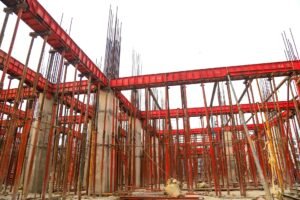
Formwork is essential when constructing concrete structures. Traditional timber formwork is still used widely, but modern projects increasingly use engineered formwork systems.
Steel, aluminium, plastic and modular formwork systems can allow faster and more consistent construction.
Some systems are designed to be reused many times. This can improve productivity and reduce material waste when appropriately planned.
For high-rise construction, climbing and self-climbing formwork systems can help construction teams progress from one level to the next more efficiently.
7. Steel Construction and Composite Structures
Steel is widely used in modern commercial, industrial and high-rise construction because of its strength and ability to form long spans.
Steel components can often be fabricated away from the construction site and then transported for assembly.
Composite construction can combine steel and concrete so that both materials contribute to structural performance. For example, composite floors can combine steel beams with concrete slabs.
Modern structural design software allows engineers to analyse complex structures and optimise structural systems according to project requirements.
8. 3D Printing in Construction
3D printing is an emerging construction technology that has attracted significant attention.
Large-scale construction printers can deposit materials layer by layer according to a digital model. Concrete-like mixtures and other specially developed materials can potentially be used to create walls and building components.
One potential advantage is the ability to produce complex forms while reducing certain types of manual work and material waste.
However, 3D printing is still developing, and questions involving building codes, structural performance, materials, reinforcement, services, quality control and large-scale adoption need to be addressed for different applications.
It is therefore better viewed as an emerging technology rather than a universal replacement for conventional construction.
9. Robotics and Automation
Automation is gradually becoming more common on construction sites and in manufacturing facilities.
Robotic systems can assist with repetitive tasks such as bricklaying, surveying, material handling, drilling and certain finishing operations.
Automated equipment can potentially improve productivity and reduce workers’ exposure to some dangerous or physically demanding tasks.
However, construction remains a highly variable environment. Sites change continuously, weather conditions vary, and many activities require professional judgement.
The future is therefore more likely to involve cooperation between workers, engineers, machines and digital systems rather than complete replacement of human workers.
10. Drones and Digital Surveying
Drones have become useful tools for construction surveying, inspection and progress monitoring.
Aerial images can provide project teams with information about site conditions and construction progress. When combined with appropriate surveying and mapping systems, drone data can help create detailed representations of construction sites.
Drones can also assist in inspecting difficult-to-access areas, although operations must comply with applicable regulations and safety requirements.
Digital surveying technologies can improve the speed and accuracy of collecting site information, which is particularly valuable for large projects.
11. Sustainable Construction Materials
Modern construction is also changing through the development and use of more sustainable materials.
Examples include recycled materials, engineered timber, low-carbon cement technologies, recycled aggregates, fly ash-based products and other alternative materials.
The suitability of a material depends on structural requirements, local availability, standards, durability, environmental performance and project conditions.
The construction industry is increasingly interested in reducing embodied carbon—the emissions associated with extracting, manufacturing, transporting and using construction materials.
Material selection is therefore becoming an important part of sustainable building design.
12. Energy-Efficient Buildings
Modern buildings are increasingly designed to consume less energy.
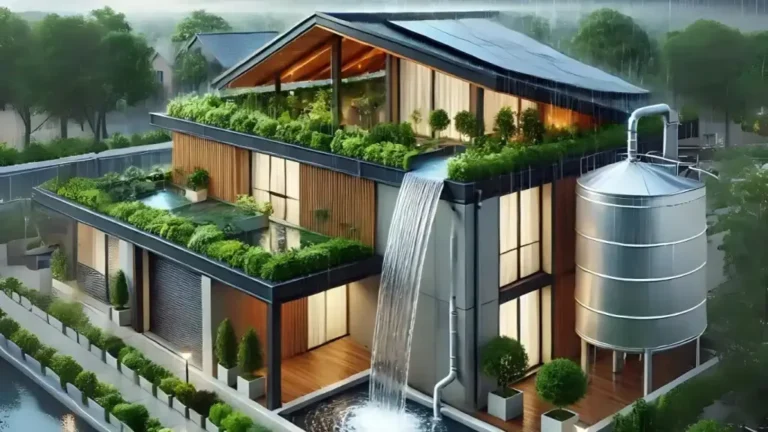
Building orientation, insulation, glazing, shading, natural ventilation, efficient lighting and high-performance mechanical systems can all influence energy performance.
Solar photovoltaic systems can generate electricity, while smart controls can monitor and manage building systems.
An energy-efficient building is not simply a building with solar panels. Its overall design should reduce unnecessary energy demand before renewable energy systems are considered.
This approach can improve operating costs and occupant comfort while reducing environmental impact.
13. Smart Buildings
Technology is also changing how completed buildings operate.
Smart buildings can use sensors and digital control systems to monitor lighting, temperature, occupancy, energy consumption, security and equipment.
For example, lighting systems can respond to occupancy, while building-management systems can monitor equipment performance and identify unusual operating conditions.
The purpose of smart technology should be practical: improving efficiency, comfort, safety, maintenance and building performance.
14. Construction Safety and Modern Technology
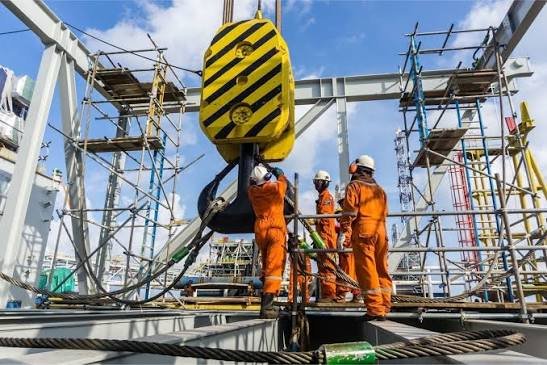
Safety remains one of the most important responsibilities in construction.
Modern technology can support safety through digital site monitoring, wearable devices, drones, sensors, improved equipment and better project coordination.
BIM can also assist safety planning by helping teams understand construction sequences and identify potential hazards.
However, technology cannot replace proper training, supervision, personal protective equipment, safe work procedures and compliance with applicable safety regulations.
A modern construction site must combine technology with a strong safety culture.
15. Faster Construction and Better Productivity
One of the major advantages associated with modern construction methods is the potential to reduce construction time.
Prefabrication, modular construction, precast components and improved project coordination can allow certain activities to occur simultaneously.
For example, building components can be manufactured in a factory while foundations are being prepared at the project site.
Reducing construction time can lower certain project costs and allow buildings to become operational sooner.
However, faster construction should never mean sacrificing quality or safety. Proper planning and quality control remain essential.
16. Challenges of Modern Construction
Modern construction methods offer many opportunities, but they also have limitations.
Advanced systems may require higher initial investment, specialised equipment, trained workers and detailed planning. Transportation of prefabricated components can also be challenging for large modules.
Digital technologies require compatible software, reliable data and trained professionals. New materials may require testing and approval before widespread use.
There can also be difficulties in adapting modern methods to existing construction practices, local regulations and supply chains.
Therefore, the right construction method should be selected according to the project’s location, scale, budget, design, schedule, workforce, materials and technical requirements.
17. The Role of Civil Engineers and Architects
Modern construction does not reduce the importance of professionals. In many ways, it increases the need for skilled engineers and architects.
Architects must understand how new construction systems influence design. Civil and structural engineers must evaluate structural performance and connections. Project managers must coordinate complex schedules and supply chains.
Professionals also need to understand digital tools, sustainability requirements, building regulations, safety standards and modern materials.
The construction professional of the future will need both traditional engineering knowledge and the ability to work with new technologies.
18. The Future of Construction
The future construction industry is likely to become more digital, automated, sustainable and industrialised.
Buildings may increasingly use prefabricated components, smart systems, advanced materials and digital models. Construction sites may use more robotics, drones and automated equipment.
Artificial intelligence may assist with design optimisation, scheduling, risk analysis, document management and predictive maintenance.
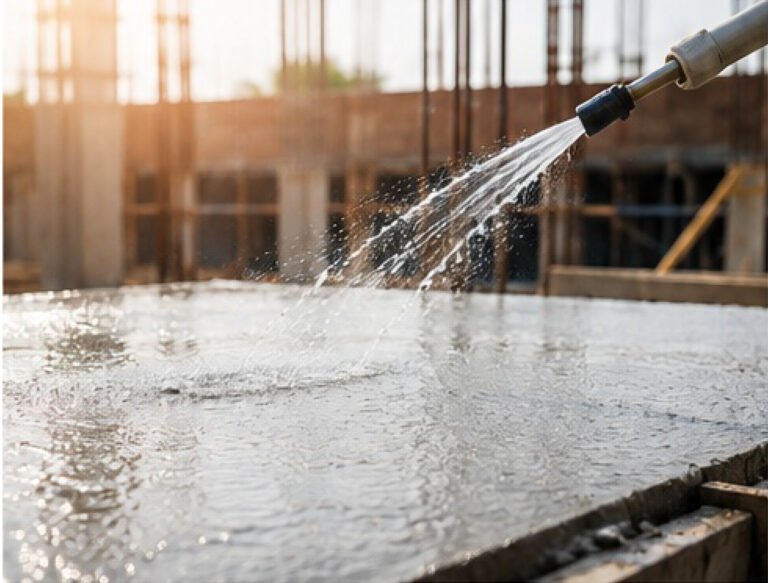
At the same time, traditional construction knowledge will remain important. Foundations still need to respond to soil conditions. Structures still need to carry loads safely. Concrete still needs appropriate placement and curing. Buildings still need reliable water, electrical, drainage and mechanical systems.
Technology will change how these tasks are performed, but fundamental engineering principles will remain.
Conclusion
Modern construction is changing the way buildings are designed, manufactured and assembled. Prefabrication, modular construction, precast concrete, BIM, advanced formwork, digital surveying, automation, sustainable materials and smart building systems are creating new possibilities for the construction industry.
However, modern construction is not simply about adopting the newest technology. The most successful projects are those that select appropriate methods according to their specific requirements.
A modern building should be safe, durable, efficient, sustainable, comfortable and adaptable. Achieving these goals requires cooperation between architects, civil engineers, contractors, developers, technology specialists and skilled workers.
The future of construction will not be defined by one single method. Instead, it will be shaped by the intelligent combination of proven engineering principles and new technologies.
The future of construction is not just about building faster. It is about building smarter, safer, more sustainably and with greater value for the people who use our buildings.
About The Author