

Introduction
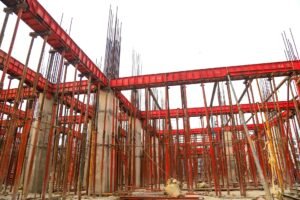
Urban areas are changing rapidly as populations grow, businesses expand, and people seek better housing, employment, transportation, education, healthcare, and public services. New construction plays an important role in this transformation. However, modern city development is not simply about constructing more buildings. It is about creating a well-planned urban environment where buildings, roads, infrastructure, public spaces, technology, and natural resources work together.
A new building can influence the surrounding neighbourhood for decades. A residential development can provide much-needed housing, while a commercial project can create employment and attract investment. A new road, bridge, metro station, or public facility can change the way people move through an area. For this reason, construction must be considered as part of a larger vision for the future of the city.
The concept of “building the future” means developing urban areas in a way that is safe, sustainable, connected, technologically advanced, economically productive, and comfortable for people. The cities being constructed today will become the everyday environment of future generations.
The Growth of Construction in Urban Areas
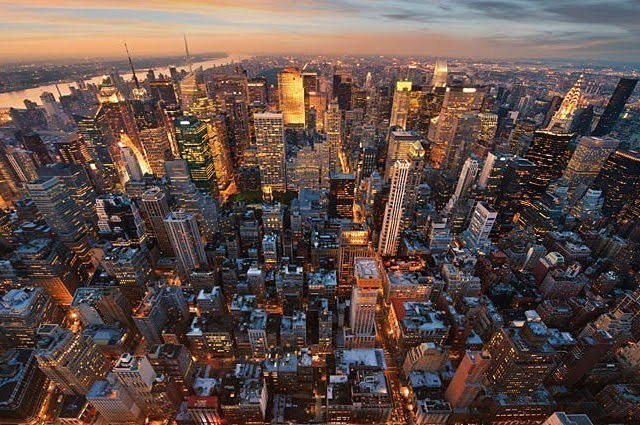
Population growth is one of the major reasons for increasing construction activity in cities. As more people move toward urban areas for employment, education, healthcare, and business opportunities, demand for housing and infrastructure increases.
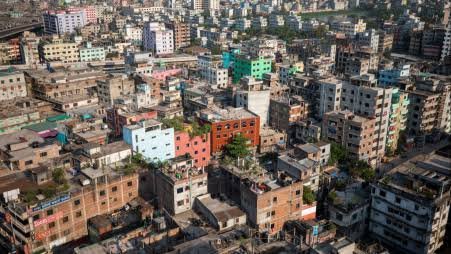
In many cities, available land is limited and expensive. This has encouraged vertical development, including apartment towers, office buildings, hotels, shopping complexes, and mixed-use developments. Instead of spreading endlessly across surrounding land, cities can accommodate more people by making efficient use of existing urban areas.
High-density development can provide important advantages when it is properly planned. Housing, offices, shops, schools, and services can be located closer together, potentially reducing travel distances and supporting public transportation.
However, high-density construction also creates challenges. Buildings require adequate water supply, electricity, drainage, sewage systems, roads, parking, fire protection, waste management, and emergency access. If infrastructure is not expanded along with construction, rapid development can place significant pressure on existing urban systems.
Therefore, the future of urban construction requires careful coordination between individual building projects and the overall development of the city.
Sustainable Construction for the Future
Sustainability is becoming an essential part of modern construction. Buildings consume energy and water throughout their operational life, while construction requires raw materials, transportation, machinery, and labour. Responsible development must consider these environmental impacts.
Sustainable buildings can use energy-efficient lighting, ventilation, cooling systems, insulation, shading devices, and renewable energy technologies. Solar power can help reduce dependence on conventional electricity where conditions are suitable. Natural daylight and ventilation can also reduce energy consumption while improving indoor comfort.
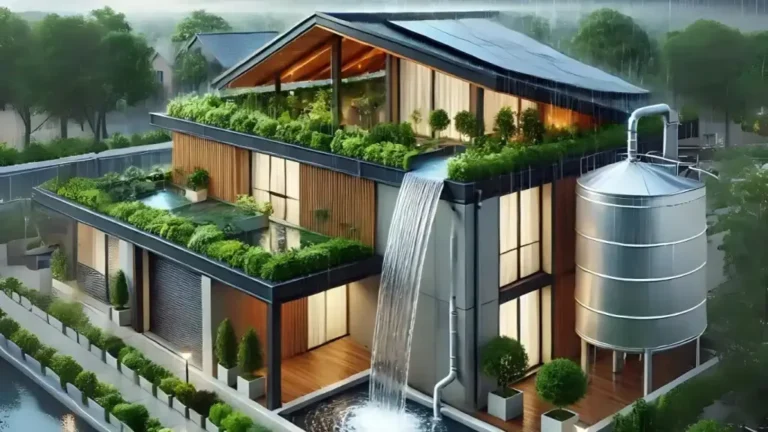
Water conservation is another important consideration. Rainwater harvesting, efficient plumbing fixtures, wastewater treatment, and water reuse can help reduce pressure on municipal water supplies.
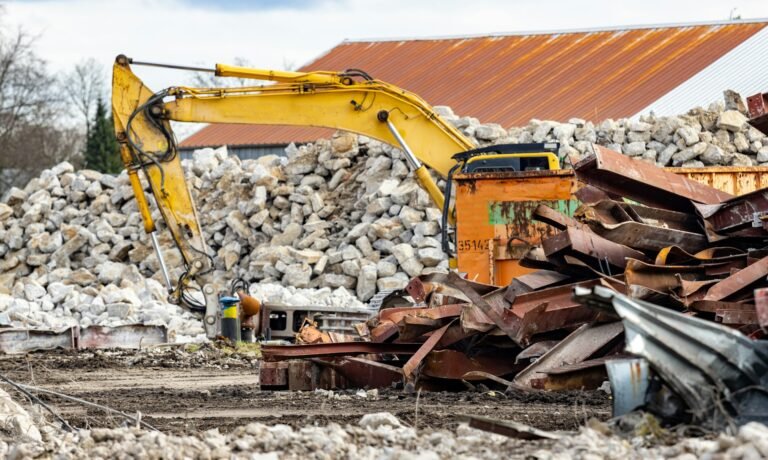
Construction waste should also be managed responsibly. Materials such as concrete, steel, timber, packaging, soil, and other construction products can be reused or recycled where practical. Careful planning can reduce unnecessary material consumption and disposal.
Sustainable construction should not be viewed simply as adding a few environmentally friendly features to a building. It should be considered throughout the entire life cycle of a project—from site selection and design to construction, operation, maintenance, renovation, and eventual redevelopment.
Smart Buildings and Smart Cities
Technology is transforming the construction industry and the way cities operate. Digital tools are helping architects, engineers, contractors, developers, and planners coordinate projects more effectively.
Building Information Modelling, commonly known as BIM, allows different professionals to work with detailed digital information about a building. This can help identify conflicts between structural, architectural, electrical, plumbing, and mechanical systems before construction reaches the site.
Drones and digital surveying technologies can assist with site inspection, mapping, progress monitoring, and documentation. Prefabrication and modular construction can improve quality and reduce certain types of work carried out directly on busy construction sites.
Technology can also continue to provide benefits after a building is completed. Smart building systems can monitor energy consumption, lighting, temperature, security, equipment, and occupancy. Automated systems can adjust building operations according to actual requirements.
At the city level, smart technologies can support traffic management, public transportation, water monitoring, waste collection, street lighting, emergency services, and infrastructure maintenance.
However, a smart city should not simply be a city filled with technology. Technology should solve real problems and improve people’s lives. A successful smart city combines digital innovation with good planning, reliable infrastructure, accessibility, security, and human needs.
Transportation and Urban Connectivity
Transportation is one of the most important elements of city development. Every major construction project has some relationship with transportation because people and goods must be able to reach it.
A new residential development may increase traffic on surrounding roads. A commercial complex may require better public transportation. An industrial development may need improved freight connections. A new metro station may encourage additional housing and commercial development nearby.
Future urban development should therefore consider multiple forms of transportation. Public buses, metro systems, walking, cycling, private vehicles, and other forms of mobility should be connected as effectively as possible.
Pedestrian infrastructure is particularly important. Safe footpaths, crossings, ramps, lighting, shade, and accessible routes can make neighbourhoods more comfortable and inclusive.
Cycling infrastructure can also provide an alternative for shorter journeys. When walking and cycling routes connect with public transportation, they can become part of a larger urban mobility system.
Good transportation planning can reduce travel time, improve access to employment and services, and support economic development. The objective is not simply to construct more roads but to create an efficient and balanced transportation network.
Creating Better Public Spaces
A successful city requires more than buildings and roads. Public spaces are an essential part of urban life.
Parks, gardens, playgrounds, public squares, pedestrian areas, waterfronts, community spaces, and recreational facilities provide places where people can meet, exercise, relax, and participate in community activities.
Well-designed public spaces can improve the character of a neighbourhood. Trees and landscaping can provide shade and visual relief, while seating, lighting, pathways, and accessibility features can make spaces more useful.
Public spaces can also contribute to environmental performance. Trees and vegetation can help moderate urban temperatures, while appropriate landscape design can support rainwater management and biodiversity.
New construction projects should therefore consider what happens outside the building as well as inside it. A development that provides attractive and accessible public areas can contribute significantly to the wider community.
Infrastructure: The Foundation of Urban Development
Infrastructure is the foundation upon which cities operate. Roads, bridges, water-supply systems, sewage networks, drainage, electricity, telecommunications, waste-management systems, and public transportation must support urban growth.
When new construction takes place, the capacity of existing infrastructure must be evaluated. A large residential project may increase demand for water and electricity. It may also generate additional wastewater and solid waste. Similarly, a commercial development can increase traffic and parking demand.
Infrastructure planning should therefore take place before major construction begins. Developers, engineers, planners, utility providers, and government authorities need to coordinate their requirements.
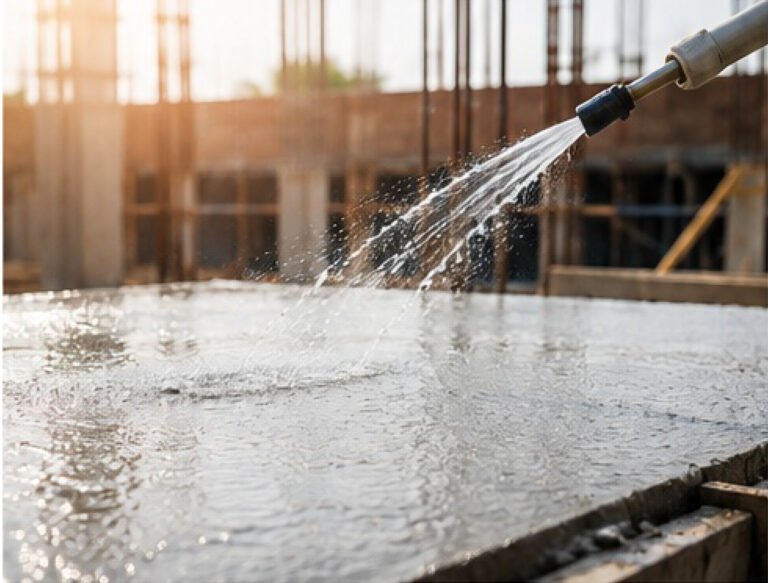
Drainage is particularly important in urban development. Increasing paved and built-up surfaces can change natural water flow. Poorly planned drainage can contribute to waterlogging and flooding during heavy rainfall.
Proper site grading, stormwater drainage, rainwater management, permeable surfaces, retention systems, and regular maintenance can help improve urban water management.
Challenges of Rapid Urban Construction
Although construction supports growth, rapid development can create challenges if it is poorly managed.
Construction activities can produce dust, noise, vibration, traffic disruption, and waste. Heavy vehicles may place additional pressure on roads, while construction materials and equipment require careful storage and movement.
After completion, a large development may increase demand for transportation, parking, water, electricity, drainage, waste collection, schools, healthcare, and other public services.
Environmental impacts must also be considered. Loss of vegetation, increased hard surfaces, inefficient energy use, and poor waste management can reduce the sustainability of urban areas.
Another challenge is maintaining the identity of existing communities. New development should improve urban areas without unnecessarily destroying cultural character, historic structures, established public spaces, or community connections.
Good planning can help reduce these problems. Environmental assessments, traffic studies, infrastructure planning, construction management, safety procedures, and community consultation can contribute to more responsible development.
The Role of Civil Engineers
Civil engineers play a central role in urban construction. They help transform architectural concepts into safe, functional, and durable structures and infrastructure.
Structural engineers design systems that enable buildings to safely carry their loads. Geotechnical engineers study soil and foundation conditions. Transportation engineers work on roads and mobility systems. Water-resources and environmental engineers contribute to drainage, water management, and environmental protection.
Civil engineers also play an important role during construction. They may supervise quality, materials, structural work, site conditions, safety requirements, and project progress.
As cities become more complex, civil engineering will increasingly involve resilience, sustainability, digital technology, infrastructure management, and climate-responsive design.
The Role of Architects and Urban Planners
Architects are responsible for much more than the external appearance of a building. They consider space, function, circulation, natural light, ventilation, accessibility, materials, comfort, safety, and the relationship between a building and its surroundings.
Urban planners look at the city from a broader perspective. They consider land use, population growth, transportation, housing, public facilities, open spaces, environmental conditions, and long-term development.
The cooperation between architects and urban planners is particularly important. A beautiful building may not function well if it is poorly connected to transportation or surrounding infrastructure.
Good city development requires individual buildings to contribute positively to the larger urban environment.
The Role of Developers and Construction Professionals
Developers are responsible for bringing many elements of a project together. They may coordinate land, finance, consultants, approvals, contractors, schedules, marketing, and project objectives.
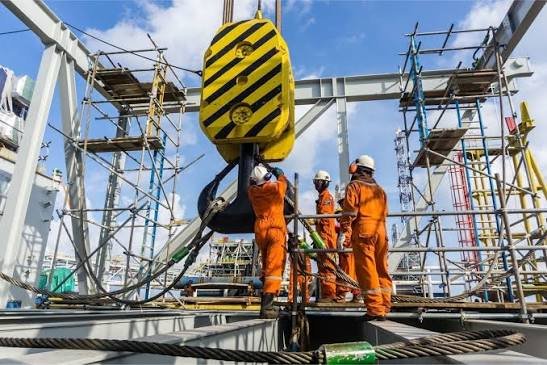
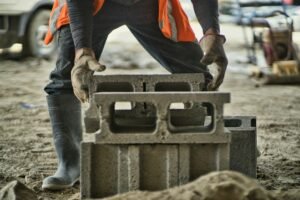
Contractors and construction teams then turn designs into physical structures. Their work involves managing labour, materials, machinery, safety, quality, cost, and time.
Surveyors, quantity surveyors, project managers, environmental specialists, landscape professionals, building-services engineers, suppliers, and skilled workers also contribute to major projects.
Urban construction is therefore a collaborative process. Strong communication among all participants is essential for delivering safe and successful projects.
The Economic Impact of New Construction
Construction can be an important driver of economic development. During the construction phase, projects create demand for labour, materials, equipment, transportation, professional services, and manufacturing.
After completion, buildings can create additional economic opportunities. Offices provide space for businesses, commercial developments support retail and services, industrial projects support production and logistics, and residential developments provide housing.
Infrastructure investment can also improve the attractiveness of an area for future businesses and residents.
However, economic development should be balanced with social and environmental considerations. A successful project should provide long-term value rather than short-term growth at the expense of the surrounding community.
Building Resilient Cities
Future cities must be prepared for changing environmental and economic conditions. Resilience means that urban systems can withstand disruption, recover from problems, and continue providing essential services.
Buildings and infrastructure should be designed according to the risks of their locations. Depending on the region, these may include heavy rainfall, flooding, extreme heat, strong winds, earthquakes, water shortages, or other hazards.
Resilience can involve stronger infrastructure, appropriate drainage, green spaces, emergency planning, reliable utilities, suitable building design, and effective maintenance.
Cities should also plan for gradual changes such as population growth, changing transportation patterns, technological development, and evolving economic needs.
Inclusive Urban Development
A modern city should serve people from different backgrounds, ages, abilities, and economic circumstances.
Accessibility should be considered in buildings, footpaths, public transportation, parks and public facilities. Elderly people, children, people with disabilities, and people without private vehicles should be able to use the city safely and conveniently.
Housing is another important issue. New development should contribute to a balanced housing supply and should be connected to employment, education, healthcare, transportation and other essential services.
Inclusive development creates stronger communities because more people can participate in the economic and social life of the city.
The Future of City Development
The cities of the future will likely combine high-quality construction with sustainable infrastructure, digital technology, efficient transportation, renewable energy, green spaces, and resilient planning.
Buildings may become more energy efficient and adaptable. Construction methods may increasingly use prefabrication, automation, digital modelling, advanced materials, and improved project-management systems.
Transportation may become more integrated, with public transit, walking, cycling, electric vehicles, and other mobility systems working together.
Green infrastructure may become a more important part of urban planning. Parks, trees, green corridors, water-sensitive landscapes, and other natural features can help cities respond to environmental challenges while improving quality of life.
The future city should not simply look futuristic. It should function better for the people who live there.
Conclusion: Building Better Cities
New construction has the power to transform urban areas. It can provide housing, employment, infrastructure, transportation, public services and economic opportunities. But construction alone does not create a successful city.
The quality of urban development depends on planning, coordination, engineering, architecture, environmental responsibility, infrastructure, transportation and community needs.
The cities of tomorrow will be shaped by the decisions made today. Developers, architects, civil engineers, planners, governments, contractors and communities must work together to ensure that new construction contributes positively to the wider urban environment.
The future of construction should therefore focus on building better, not simply building more.
A successful future city should be safe, sustainable, connected, inclusive, resilient and comfortable. It should use technology intelligently while maintaining its human character. It should provide modern infrastructure while protecting natural resources. Most importantly, it should create an environment where people can live, work, learn, travel and grow with dignity.
Building the future is not only about constructing new buildings. It is about creating better places for future generations to live.
Better Construction. Better Cities. Better Future.
About The Author